

Fox spirit guides, deeply embedded in Eastern folklore, represent potent energies of wisdom, transformation, and illusion; These entities, originating from Chinese and Japanese mythology, offer profound spiritual connections.
Historically, they’ve been viewed as both benevolent guardians and mischievous tricksters, reflecting a complex duality. Today, many seek their guidance for insight and protection.
What are Fox Spirit Guides?
Fox spirit guides are supernatural entities originating from rich Eastern mythologies, primarily Chinese and Japanese folklore. They aren’t simply animals; they are intelligent, powerful beings capable of shapeshifting, illusion, and possessing immense spiritual energy; Often depicted as foxes with multiple tails – most notably the nine-tailed fox – these spirits represent a bridge between the human and spirit realms.
These guides aren’t necessarily “good” or “evil,” embodying a fascinating duality. They can be benevolent protectors, offering wisdom and assistance, or mischievous tricksters, testing boundaries and challenging perceptions. Their motivations are complex, often tied to karmic lessons and spiritual growth.
Essentially, a fox spirit guide is a non-physical being that chooses to connect with an individual, offering guidance, support, and a unique perspective on life’s journey. Recognizing and working with one requires respect, intuition, and an open mind.
Historical and Cultural Origins
The origins of fox spirit beliefs are deeply rooted in ancient Chinese folklore, dating back centuries, with early mentions appearing in texts concerning fūsui (feng shui). These early tales depict foxes gaining power and human form with age, often after fifty years, undergoing rituals for transformation. The concept then spread to Japan, evolving into the Kitsune tradition, heavily integrated with Shinto beliefs.
Initially, foxes were associated with agriculture and prosperity, later becoming linked to deities like Inari in Japan, who often manifests in fox form. Over time, stories emerged portraying them as both benevolent protectors and cunning tricksters, reflecting societal anxieties and moral lessons.
These narratives permeated literature, art, and religious practices, shaping cultural perceptions of foxes as intelligent, magical beings. This rich history continues to influence modern interpretations of fox spirit guides today.
Chinese Fox Spirits (Huli Jing)
Huli Jing, captivating fox spirits in Chinese mythology, are known for their intelligence, longevity, and ability to shapeshift, often appearing as beautiful women.
The Nine-Tailed Fox (Jiuwei Hu)
The Jiuwei Hu, or Nine-Tailed Fox, stands as the most powerful and revered form of the Huli Jing in Chinese lore. Achieving nine tails signifies immense age – typically over a thousand years – and profound spiritual attainment.

These aren’t merely powerful creatures; they embody a complex blend of cosmic energy and earthly wisdom. Often depicted as silver-white, their howls are said to sound like a human infant’s cry, adding to their mystique.
Historically, the Jiuwei Hu were associated with auspicious omens and prosperity, representing benevolence and good fortune. However, their power also meant they could wield considerable influence, sometimes perceived as manipulative. As spirit guides, they offer deep transformation, unveiling hidden truths and unlocking inner potential, but require respect and understanding.
Huli Jing Characteristics and Abilities
Huli Jing are renowned for their captivating beauty and astute intelligence, often described as able to exist for over a millennium. A defining characteristic is their shapeshifting ability, frequently taking on human form – particularly beautiful women – to interact with the mortal realm.
Daoist beliefs attribute to them a mastery of magic and illusion, allowing them to influence dreams, possess individuals, and even control the weather. They are also believed to absorb the life force of others, though this is often depicted as a more negative aspect of their power.
As spirit guides, they offer insight into illusion and perception, helping individuals see beyond surface appearances. Their longevity grants them a unique perspective on time and cycles, offering guidance on long-term goals and karmic patterns.
Huli Jing as Deities and Offerings
Huli Jing, while often portrayed as tricksters, also ascended to deity status in Chinese folklore, embodying both benevolent and capricious powers. Recognizing their potential influence, individuals historically offered tributes to appease or gain favor from these spirits.
Offerings traditionally included food, incense, and silk, presented at designated shrines or fox spirit houses. These acts weren’t merely about seeking boons, but establishing a reciprocal relationship built on respect and acknowledgment of the Huli Jing’s power.
As deities, they were invoked for blessings related to prosperity, love, and protection. Modern practitioners continue this tradition, viewing offerings as a way to strengthen their connection and receive guidance from these ancient, powerful spirit guides.
Japanese Fox Spirits (Kitsune)
Kitsune, in Japanese folklore, are intelligent fox spirits possessing supernatural abilities, evolving with age and experience. They are deeply woven into Shinto beliefs and mythology.
What is Kitsune?
Kitsune literally translates to “fox” in Japanese, but the term extends far beyond the animal itself within folklore. These aren’t simply foxes; they are supernatural entities, intelligent beings imbued with magical abilities that grow and refine over centuries.
Unlike ordinary foxes, Kitsune possess the power to shapeshift, often taking on human form – frequently beautiful women, though they can assume other guises. This ability is a defining characteristic, and their age directly correlates with their power; the older the Kitsune, the more potent their magic becomes.
A key aspect of Kitsune lore is the number of tails they possess. As a Kitsune gains wisdom and age, it grows additional tails, culminating in the most powerful Kitsune possessing nine tails. These nine-tailed foxes, known as kyūbi no kitsune, are considered exceptionally wise and powerful beings, often associated with deities.
Kitsune are deeply ingrained in Japanese culture and spirituality, representing a fascinating blend of reverence and caution.
The Dual Nature of Kitsune: Guardian and Trickster
Kitsune embody a captivating duality, simultaneously revered as loyal guardians and feared as cunning tricksters. This complex nature is central to their lore, shaping their interactions with humanity. While some Kitsune dedicate themselves to serving Inari, the Shinto deity of rice, fertility, and prosperity, acting as messengers and protectors, others delight in mischievous pranks and illusions.
These trickster Kitsune aren’t necessarily malicious; their playful deceptions often serve as tests of character or warnings to those who are arrogant or dishonest. However, they can also lead travelers astray or cause minor inconveniences.
The distinction between benevolent and malevolent Kitsune isn’t always clear-cut, and their motivations can be enigmatic. Understanding this duality is crucial when encountering or working with these powerful spirits, requiring respect, caution, and a discerning heart.
Kitsune in Shinto Religion
Kitsune hold a significant and deeply interwoven role within Shinto, the indigenous faith of Japan. They are considered the primary messengers of Inari, the deity associated with rice, agriculture, fertility, and worldly success. Consequently, Kitsune are frequently found at Inari shrines throughout Japan, often depicted as stone statues guarding the entrance.
These fox spirits aren’t simply servants, but possess their own inherent spiritual power and are often venerated as deities in their own right. Offerings and prayers are frequently directed towards them, seeking blessings for prosperity and protection.
The association with Inari has elevated the Kitsune’s status, transforming them from potentially mischievous entities into sacred beings deserving of reverence and respect within the Shinto religious framework.
Inari: The Fox Deity
Inari, a prominent deity in Shinto, is intrinsically linked to foxes, often appearing in a fox shape as their natural form before aiding humanity. Initially a deity of rice and agriculture, Inari’s influence expanded to encompass prosperity, success, and general well-being. This evolution solidified the fox’s role as Inari’s messenger and sacred animal.
Interestingly, Inari is considered gender-fluid, further adding to the mystique surrounding this deity and their connection to the Kitsune. Shrines dedicated to Inari are ubiquitous across Japan, identifiable by the rows of vibrant red torii gates winding up mountainsides.
Worship of Inari and, by extension, the Kitsune, continues to thrive, demonstrating the enduring power and relevance of this ancient spiritual connection.
Kitsune Age and Transformation
Kitsune aren’t born with their full power; their abilities grow with age. A common belief dictates that a fox must live for fifty years to gain the ability to shapeshift into human form. This transformation isn’t merely cosmetic; it allows them to interact with the human world, often with complex motivations.
As a Kitsune ages, it gains additional tails, with the most powerful possessing nine. Each tail represents a century of life and increased wisdom and power. These older, multi-tailed Kitsune are revered and feared for their immense magical capabilities.
The transformation process itself is considered a significant spiritual milestone, marking the Kitsune’s ascension to a higher plane of existence and influence.
Kitsune Supernatural Abilities
Kitsune possess a vast array of supernatural abilities, extending far beyond simple shapeshifting. They are masters of illusion, capable of creating incredibly realistic phantasms to deceive or protect themselves. This includes altering their size, disguising their appearance, and even possessing humans.
Furthermore, Kitsune can manipulate energy, creating fox-fire (kitsunebi), a spectral flame used for various purposes, from guiding travelers to causing mischief. They also exhibit telepathic abilities, allowing them to read minds and communicate across distances.
Some Kitsune are said to be able to bend time and space, while others possess incredible healing powers; These abilities are directly linked to their age and the number of tails they possess, with nine-tailed Kitsune being the most powerful.
Fox Spirits in Folklore and Mythology
Fox spirits consistently appear as tricksters or benevolent guides across numerous cultures, embodying duality. Their stories explore themes of illusion, wisdom, and the complex relationship between humans and the spirit world.
Common Themes and Symbolism
Throughout folklore, fox spirits consistently symbolize intelligence, adaptability, and a connection to magic. The recurring motif of transformation – shifting between fox and human form – represents the fluidity of identity and the power of illusion.
Nine tails, particularly prominent in Chinese mythology (Jiuwei Hu), signify immense power, age, and spiritual attainment. These tails aren’t merely physical attributes; they represent accumulated wisdom and magical prowess.
Duality is central; foxes are often portrayed as both helpful guardians and cunning tricksters. This reflects the unpredictable nature of the spirit world and the importance of discernment. They can offer guidance, but also test intentions.
Symbolism extends to prosperity and good fortune, especially in Japanese traditions linked to Inari, the fox deity. Offerings are made to appease and gain favor, highlighting the belief in their ability to influence human affairs. Ultimately, fox spirits embody a potent blend of earthly and supernatural forces.
Fox Spirits and Human Interaction
Historically, interactions between humans and fox spirits have been complex, ranging from respectful worship to cautionary tales of deception. Stories often depict foxes assuming human form to interact with society, sometimes seeking love, knowledge, or simply amusement.
Offerings and rituals are common practices aimed at gaining favor or protection. In Japanese Shinto, devotion to Inari involves providing offerings at shrines, hoping for blessings of prosperity and success.
However, interactions aren’t always positive. Folklore warns of foxes using illusions and trickery to mislead humans, highlighting the need for caution and discernment. These tales serve as moral lessons about trust and the dangers of unchecked desires.
Modern spiritual seekers often approach fox spirit guides through meditation, dreams, and intuitive connection, seeking guidance and wisdom. The relationship is viewed as a partnership, built on mutual respect and understanding, rather than solely on appeasement.
Trickster Archetype in Fox Spirit Lore
The trickster archetype is central to fox spirit lore across cultures, embodying ambiguity and challenging societal norms. This isn’t necessarily malicious; often, the trickery serves as a test of character or a means of revealing hidden truths. Huli Jing and Kitsune frequently employ illusions and shapeshifting to playfully disrupt the status quo.
This archetype highlights the fox spirit’s intelligence and adaptability. They aren’t bound by conventional morality, operating instead on a more fluid, intuitive level. Their actions can be mischievous, even deceptive, but rarely without a deeper purpose.
The trickster aspect also serves as a cautionary tale, reminding humans to be wary of appearances and to question their own perceptions. It encourages critical thinking and a healthy skepticism towards authority.
Ultimately, the fox spirit’s trickery isn’t simply about causing chaos; it’s about prompting growth, transformation, and a re-evaluation of established beliefs.

Recognizing a Fox Spirit Guide
Identifying a fox spirit guide involves noticing recurring signs, vivid dreams, and strong intuitive pulls. Synchronicities featuring foxes or related symbolism are also common indicators.
Signs and Synchronicities
Recognizing a fox spirit guide often begins with subtle, yet persistent, synchronicities. These aren’t random occurrences, but meaningful coincidences that capture your attention. Frequent sightings of foxes – in person, in images, or even in dreams – are a primary sign.
Pay attention to recurring numbers, particularly those associated with transformation or new beginnings. You might find fox imagery appearing unexpectedly in art, literature, or even everyday objects. A sudden, strong interest in Japanese or Chinese folklore, specifically concerning kitsune or huli jing, could also indicate their presence.
Listen for the sound of rustling leaves when no wind is present, or feel a playful energy around you. These subtle cues are the fox spirit’s way of acknowledging your awareness and initiating contact. Trust your intuition; if something feels significant, it likely is.
Dreams and Visions
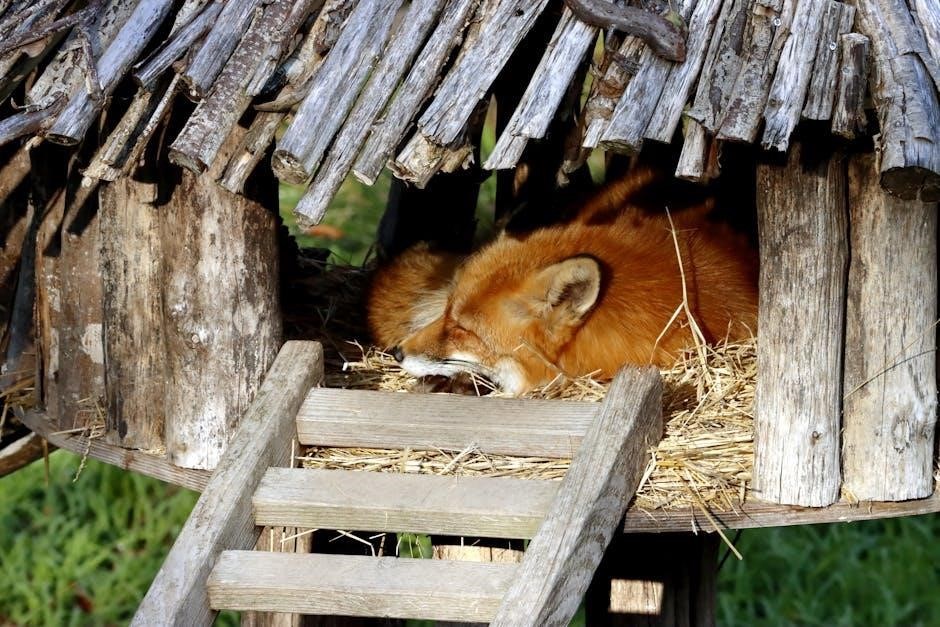
Dreams are a powerful portal for communication with a fox spirit guide. Expect vivid, symbolic dreams featuring foxes – their color, number of tails, and behavior all hold meaning. These dreams may feel incredibly real and emotionally charged, offering guidance or warnings.
Visions, while less common, can manifest as fleeting glimpses of a fox spirit in your peripheral vision, or as a clear, internal image during meditation. These visions often carry a strong sense of knowing and purpose. Pay attention to the emotions evoked by these experiences; they are crucial to understanding the message.
Recurring dream themes involving forests, trickery, or transformation are also significant. Journaling your dreams and visions is essential for deciphering their symbolism and recognizing patterns. A fox spirit may appear as a human in your dreams, retaining subtle fox-like qualities.
Intuitive Feelings and Connections
Strong intuitive hits are a hallmark of a fox spirit guide’s presence. You might experience sudden, inexplicable knowingness about situations or people, or a heightened sense of awareness. These feelings often arrive as whispers, gut instincts, or a strong pull towards certain paths.
A deep connection to nature, particularly forests and wild spaces, can indicate a fox spirit’s influence. You may feel an inexplicable draw to these environments, experiencing a sense of peace and belonging. Increased sensitivity to energy and a fascination with folklore are also common.
Pay attention to synchronicities – meaningful coincidences that seem too significant to be random. Seeing foxes frequently, encountering fox imagery, or hearing the word “fox” unexpectedly can be signs. Trust your intuition and allow yourself to explore these connections.
Working with a Fox Spirit Guide
Establishing a connection involves respectful communication, often through meditation or focused intention. Offerings, like sweet treats or symbolic gifts, demonstrate reverence and build rapport.
Seeking guidance requires an open heart and willingness to interpret subtle signs, trusting the wisdom offered by these ancient spirits.
Establishing Communication
Initiating contact with a fox spirit guide requires a mindful and respectful approach. Begin by creating a sacred space, free from distractions, where you feel safe and grounded. Meditation is a powerful tool, allowing you to quiet the mind and open yourself to subtle energies.
Visualize a serene landscape – a moonlit forest or a tranquil shrine – and invite the fox spirit to join you. Focus your intention on clear communication, stating your desire for guidance and understanding. Remember, these are intelligent beings who appreciate sincerity.
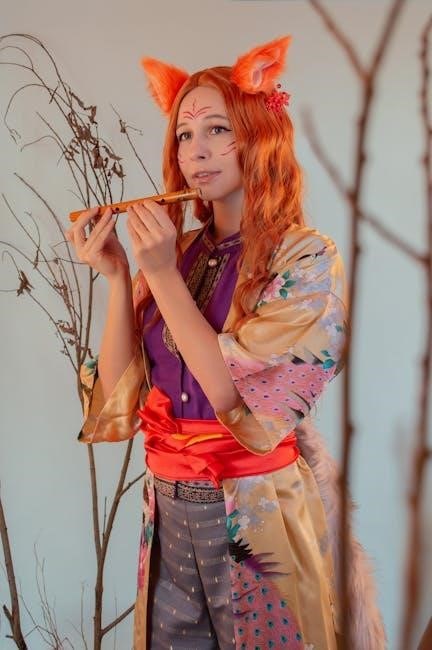
Pay attention to intuitive feelings, dreams, and synchronicities that may arise. These can be subtle messages from the spirit realm. Journaling can help you decipher these signs and track your progress. Consistent practice strengthens the connection, fostering a deeper and more meaningful relationship with your fox spirit guide.
Offerings and Rituals
Honoring a fox spirit guide through offerings and rituals demonstrates respect and strengthens the bond. Traditional offerings often include sweet foods like rice cakes, fruit, or sake, reflecting the fox’s perceived fondness for such treats. Incense, particularly sandalwood or jasmine, creates a sacred atmosphere.
Simple rituals can involve lighting a candle, creating a small altar adorned with fox imagery, or spending time in nature, acknowledging the spirit’s connection to the wild. Vocalizing gratitude and clearly stating your intentions are also important components.
Remember, the intention behind the offering is more significant than the offering itself. A heartfelt gesture of respect will be deeply appreciated. Regular, consistent practice reinforces the connection and invites continued guidance from your fox spirit ally.
Seeking Guidance and Protection
Communicating with your fox spirit guide for guidance involves cultivating a receptive state of mind through meditation or quiet contemplation. Pay attention to intuitive flashes, recurring symbols, and synchronicities – these are often the spirit’s way of communicating. Journaling can help decipher these subtle messages.
For protection, visualize your fox spirit as a shield of energy surrounding you, deflecting negativity and offering courage. Ask for assistance in navigating challenging situations, trusting in their wisdom and cunning. Remember, they are powerful allies, but also respect their free will.
Approach requests with humility and clarity, and always offer gratitude for their support. A strong, respectful relationship fosters a continuous flow of guidance and unwavering protection.

Fox Spirits in Modern Culture
Fox spirit guides profoundly influence contemporary art, literature, and anime like Naruto, showcasing their enduring appeal and inspiring modern pagan practices and beliefs.
Influence on Anime and Manga (Kurama/Naruto)
Kurama, the Nine-Tailed Fox from the globally renowned anime and manga series Naruto, stands as a prime example of the enduring influence of fox spirit guides in modern Japanese culture. Deeply rooted in Japanese mythology, particularly the kitsune lore, Kurama embodies the complex duality inherent in these spirits – possessing immense power capable of both destruction and profound assistance.

The character’s design and narrative arc directly reflect traditional beliefs surrounding kitsune, intelligent fox spirits with the potential for both benevolent guardianship and mischievous trickery. Kurama’s initial portrayal as a destructive force gradually evolves, showcasing his wisdom and ultimately, his loyalty to Naruto, mirroring the potential for positive influence within these powerful entities.
This representation has popularized the archetype of the fox spirit among a wider audience, sparking interest in the underlying mythology and spiritual significance. The nuanced portrayal of Kurama demonstrates a sophisticated understanding of the kitsune’s multifaceted nature, solidifying its place as a significant cultural touchstone.
Fox Spirits in Literature and Art
Fox spirit guides have consistently captivated artists and writers across centuries, appearing prominently in diverse literary works and visual arts, particularly within East Asian traditions. From classical Chinese novels detailing the enchanting Huli Jing to Japanese ukiyo-e prints depicting elegant kitsune, these beings symbolize allure, intelligence, and transformative power.
Literature often portrays them as shapeshifters, capable of assuming human form, leading to tales of romance, deception, and spiritual awakening. Artistic representations frequently emphasize their mystical qualities, utilizing symbolic imagery like multiple tails to denote age and power. These depictions aren’t merely aesthetic; they reflect deeply held cultural beliefs.
Modern interpretations continue this legacy, with fox spirits appearing in fantasy novels and contemporary artwork, often exploring themes of duality and the connection between the human and spirit worlds. Their enduring presence demonstrates a timeless fascination with these enigmatic entities.
Contemporary Paganism and Fox Spirit Work
Fox spirit guides are experiencing a resurgence in popularity within contemporary Pagan and witchcraft communities, often integrated into eclectic spiritual practices. Many practitioners view them as powerful allies for shadow work, illusion breaking, and enhancing intuition. This modern interest stems from a desire to connect with non-traditional deities and animal spirits.
Offerings, such as sake, rice, or sweet treats, are commonly presented to honor these spirits, alongside dedicated altars and ritual practices. Practitioners report receiving guidance through dreams, synchronicities, and direct intuitive hits. The fox’s association with cunning and adaptability resonates with those seeking personal transformation.
However, respectful engagement is emphasized, acknowledging the fox spirit’s inherent wildness and potential for trickery. This work often involves establishing clear boundaries and reciprocal relationships, fostering a balanced spiritual connection.

The Evolution of Fox Spirit Beliefs
Fox spirit guides transitioned from ancient folklore to modern spiritual practice, fueled by growing interest in animal spirits and their potent symbolic energies.
Beliefs evolved, adapting to contemporary Paganism and influencing artistic expression.
From Folklore to Spiritual Practice
Fox spirit guides have undergone a fascinating transformation, shifting from figures primarily residing within cautionary tales and mythological narratives to becoming actively sought allies in contemporary spiritual practices. Initially, stories served as explanations for unexplained phenomena or moral lessons, often portraying foxes as shapeshifters capable of both great kindness and deceptive trickery.

However, over time, a deeper appreciation for their inherent power and wisdom emerged. This shift is particularly noticeable within modern Pagan and Shinto-inspired paths, where individuals intentionally cultivate relationships with these entities.
The practice now involves offerings, meditation, and respectful communication, recognizing the fox spirit not merely as a character in a story, but as a sentient being offering guidance, protection, and a connection to ancient energies. This evolution reflects a broader trend of reconnecting with nature-based spirituality and acknowledging the intelligence present within the animal kingdom.
The Growing Interest in Animal Spirit Guides
Fox spirit guides are benefiting from a wider cultural fascination with animal spirit guides, fueled by a desire for deeper connection with the natural world and intuitive wisdom. This surge in interest stems from a growing dissatisfaction with purely materialistic perspectives and a yearning for spiritual meaning.
People are increasingly recognizing animals as possessing unique energies and symbolic significance, capable of offering guidance and support on personal journeys. The fox, with its intelligence, adaptability, and mystical associations, naturally resonates with those seeking these qualities.
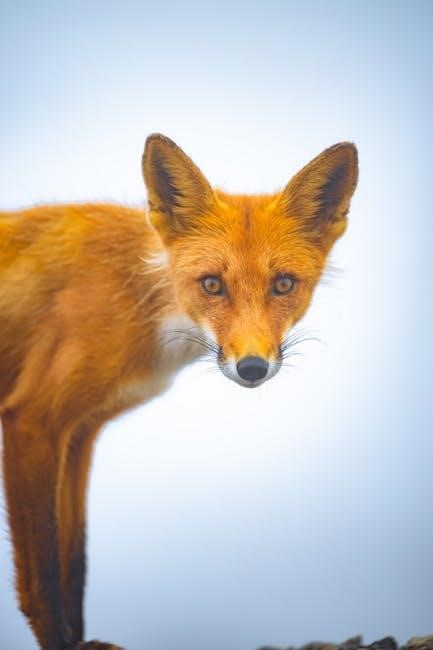
Furthermore, the influence of anime and manga, like Naruto and Kurama, has introduced fox spirit lore to a broader audience, sparking curiosity and inspiring exploration. This trend signifies a move towards animism and a renewed respect for the interconnectedness of all living things.