

Tubular Support Bandage Size Guide: A Comprehensive Overview
Tubular bandages offer consistent support and are easily reapplied post-washing. Proper sizing—considering limb circumference and wound dressings—is crucial for optimal effectiveness.
Various brands, like KinGrip and Medigrip, have specific charts.
What are Tubular Support Bandages?
Tubular support bandages are versatile, elasticated cotton and latex blend coverings designed to provide light to moderate compression and support to limbs and joints. Unlike traditional bandages requiring fixings, these bandages stay securely in place due to their inherent elasticity. They conform closely to the body’s contours, offering comfortable, even support without constricting circulation.
These bandages are particularly useful for securing wound dressings, providing support after injuries like sprains or strains, and managing conditions like edema or varicose veins. They are available in a range of sizes to accommodate different body parts, from fingers and toes to arms and legs, and even the torso. The material allows for skin ventilation, promoting healing and reducing the risk of skin irritation.
Tubigrip is a well-known brand within this category, highlighting the ease of application and reusability even after washing. They are a convenient alternative to adhesive bandages or plaster casts for certain applications, offering a balance of support, comfort, and convenience. Their consistent support solutions make them a staple in first aid and rehabilitation settings.

Benefits of Using Tubular Bandages
Tubular bandages offer a multitude of advantages over conventional bandage types. Their key benefit lies in their simplicity – they require no pins, clips, or tape for secure application, minimizing skin irritation and discomfort. This makes them ideal for patients with sensitive skin or those prone to allergic reactions.
The elasticated nature of these bandages provides consistent, all-around compression, aiding in reducing swelling and supporting injured limbs. They are particularly effective in securing dressings, ensuring they remain in place during movement without restricting circulation. Furthermore, they allow for skin respiration, promoting a healthier healing environment.
Reusability is another significant benefit; tubular bandages can be easily reapplied after washing, maintaining their effectiveness. This cost-effectiveness, combined with their comfort and ease of use, makes them a popular choice for both medical professionals and individuals managing minor injuries at home. They are a versatile solution for a wide range of support and protection needs.
Understanding Bandage Sizing: Why It Matters
Accurate sizing is paramount when selecting a tubular support bandage. A bandage that is too small will constrict circulation, causing discomfort and potentially hindering healing. Conversely, a bandage that is too large will offer insufficient support and may slip, rendering it ineffective.
Proper sizing ensures optimal compression, which is crucial for reducing swelling and providing stability to injured areas. It also guarantees secure dressing retention, preventing contamination and promoting a clean wound environment. Ignoring sizing guidelines can lead to ineffective treatment and potentially exacerbate the injury.
Measurements should always be taken at the widest point of the limb, including any wound coverings. Different body parts require different sizes, and brand-specific charts should be consulted for accurate recommendations. Considering these factors guarantees the bandage delivers the intended therapeutic benefits and maximizes patient comfort.

Measuring for the Correct Size
Precise measurement is key to bandage efficacy. Measure the limb’s widest point, including dressings, using a flexible measuring tape. Refer to sizing charts for the appropriate bandage width and length.
Where to Measure: Arms and Legs
Accurate measurement locations are vital for selecting the correct tubular support bandage size. When measuring for arm support, identify the widest circumference of the forearm or upper arm, depending on where the bandage will be applied. Ensure the measuring tape is snug but not constricting, and maintain a parallel position to the floor.
For leg measurements, focus on the calf or thigh, again determining the widest point. If the bandage is intended to cover a joint, like the knee or elbow, measure while the joint is in a neutral, slightly bent position. This ensures the bandage will accommodate movement without being too tight or too loose.
Consistency is crucial. Always measure on the same part of the limb each time, and record the measurement in centimeters or inches for future reference. Remember that measurements can fluctuate slightly due to swelling or other factors, so it’s always best to err on the side of a slightly larger size if you’re unsure. A bandage that is too small can restrict circulation, while one that is too large may not provide adequate support.
Consider the bandage’s intended function. For compression, a snug fit is essential, while for general support, a more comfortable fit may be preferred. Always consult with a healthcare professional if you have any concerns about proper measurement or bandage application.
Including Wound Coverings in Measurements

Accurate bandage sizing necessitates accounting for any wound dressings or padding that will be worn underneath the tubular support bandage. Failing to do so can result in a bandage that is too constricting, hindering circulation and potentially impeding healing. When a wound dressing is present, measure over the dressing, ensuring it’s fully incorporated into the circumference measurement.
The type of dressing significantly impacts the measurement. Bulky dressings, such as those used for heavily exuding wounds, will require a larger bandage size than thinner dressings. Consider the dressing’s thickness and compressibility when determining the necessary bandage width. It’s always better to choose a slightly larger size to accommodate the dressing comfortably.
Don’t underestimate the impact of padding. If padding is used to protect bony prominences or sensitive areas, include its volume in the measurement. A snug, yet comfortable fit is the goal – one that provides support without compressing the wound or restricting blood flow.
If you are unsure about the appropriate size, it’s advisable to consult with a healthcare professional. They can assess the wound, dressing, and limb circumference to recommend the most suitable bandage size. Remember to re-measure if the dressing is changed or its size altered.
Using a Flexible Measuring Tape
Employing a flexible measuring tape is paramount for obtaining accurate limb circumference measurements, crucial for selecting the correct tubular support bandage size. Rigid measuring tools are unsuitable as they fail to conform to the body’s contours, leading to inaccurate readings. Ensure the tape measure is positioned correctly – snug, but not overly tight – around the area where the bandage will be applied.
When measuring, maintain the tape measure’s horizontal alignment, avoiding any twisting or angling. This ensures a consistent and reliable measurement. Ask the patient to relax their limb during measurement; muscle tension can distort the reading. Record the measurement in centimeters or inches, depending on the sizing chart used.
Double-check your measurement to minimize errors. It’s helpful to have another person assist with the measurement, verifying the tape’s position and reading. If measuring a limb with significant swelling, consider measuring at different points to account for variations in circumference.
Remember, accuracy is key. A precise measurement directly correlates to a properly fitting bandage, maximizing support and comfort. A poorly sized bandage can be ineffective or even detrimental, so invest the time to measure carefully and consult the appropriate sizing chart.

Standard Tubular Bandage Sizes & Applications

Tubular bandages come in various sizes (A, B, C, and larger). Size A suits wrists and calves, while Size B is ideal for smaller knees. Larger sizes accommodate torsos and bigger limbs.
Size A: (1.8 x 33 cm / 4 cm x 10 Meters) ⎯ Common Uses
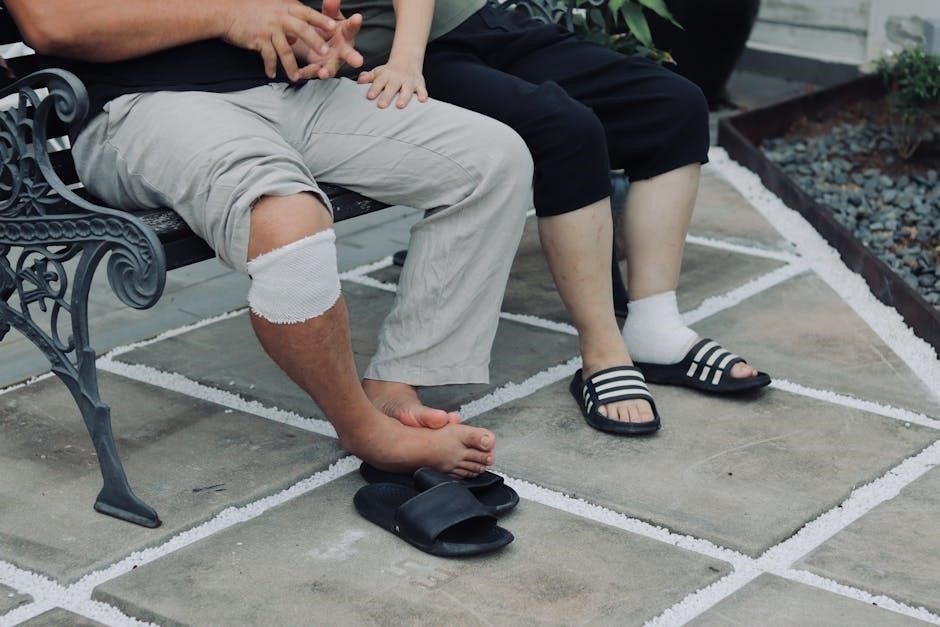
Size A tubular support bandages, measuring 1.8 x 33 cm (or 4 cm x 10 meters when fully extended), represent a versatile option for a range of minor support needs. These bandages are particularly well-suited for smaller body parts, offering gentle compression and protection. Common applications include securing dressings on wrists, providing light support to calves, and covering smaller elbow or knee injuries.
Due to their smaller width, Size A bandages are often preferred for pediatric use, offering a comfortable and adaptable fit for children’s limbs. They are also frequently utilized in first aid kits for addressing minor sprains, strains, or abrasions. The bandage’s elasticity allows for a snug, yet non-restrictive, fit, promoting circulation while minimizing movement that could exacerbate an injury.
Furthermore, Size A bandages can be effectively used to provide a base layer of support before applying more substantial bandages or braces. Their ease of application and removal makes them a convenient choice for both healthcare professionals and individuals managing minor injuries at home. Remember to always apply with a recommended overlap of approximately 23cm to ensure adequate coverage and support.
Size B: (2.5 cm / 6.3 cm) ― Specific Body Parts
Size B tubular support bandages, typically measuring 2.5 cm (or 6.3 cm in width), are designed for providing support to medium-sized body parts. This size is particularly effective for areas requiring moderate compression and secure dressing retention. Common applications include supporting ankles, securing bandages on larger wrists, and providing gentle compression to hands and feet;
The increased width compared to Size A allows for better coverage and stability, making it suitable for individuals recovering from minor ankle sprains or strains. It’s also frequently used to manage edema or swelling in the hands and feet, offering a comfortable and adjustable level of compression. Medigrip’s Size B bandage is a readily available option for these applications.
When applying Size B, remember the importance of overlap – a 23cm overlap is generally recommended to ensure consistent support and prevent slippage. These bandages are also easily reapplied after washing, maintaining their effectiveness over multiple uses. Consider using a tubular bandage applicator for easier application, especially over bulky dressings or sensitive joints.
Size C & Larger Sizes: For Larger Limbs & Torso
Size C and larger tubular support bandages cater to individuals with larger limb circumferences or those requiring torso support. These sizes offer a broader coverage area and increased elasticity to accommodate substantial body parts while maintaining effective compression. Applications extend to supporting thighs, calves with significant muscle mass, and even providing gentle support to the torso after certain medical procedures.
Selecting the correct size is paramount; insufficient width can lead to constriction and discomfort, while excessive width may compromise support. These larger sizes are particularly useful for individuals undergoing rehabilitation following injuries or surgeries, offering consistent support during the healing process. They are also beneficial for managing lymphedema or chronic venous insufficiency in larger limbs.
Remember to prioritize a 23cm overlap during application to guarantee uniform compression and prevent bandage displacement. Utilizing a tubular bandage applicator can significantly simplify the process, especially when dealing with challenging areas or limited mobility. Consistent reapplication after washing ensures continued effectiveness and hygiene.

Brand-Specific Sizing Charts
Different manufacturers employ unique sizing systems. KinGrip and Medigrip, for example, offer detailed charts correlating bandage width to body part circumference.
Consult these charts for accurate size selection.
KinGrip Bandage Sizing Chart
KinGrip tubular bandages are renowned for their consistent support and ease of application. Accurate sizing is paramount to ensure optimal functionality and comfort for the user. The KinGrip sizing chart focuses primarily on the circumference of the limb where the bandage will be applied, including any existing wound dressings within that measurement.
To determine the correct KinGrip size, measure the widest part of the arm or leg – or the torso if that’s the application area – using a flexible measuring tape. It’s vital to include any padding or wound coverings in this measurement to avoid compression issues or inadequate support. Once you have the circumference, refer to the KinGrip sizing guide.
While specific size ranges can vary slightly depending on the retailer and bandage type, a general guideline is as follows: Size A (4cm x 10 Meters) is suitable for wrists, calves, lower legs, small elbows, and smaller knees. Size B (6.3cm) is appropriate for larger areas. Larger sizes, such as C and beyond, are designed for larger limbs and the torso, providing comprehensive support where needed. Always prioritize a snug, yet comfortable fit, avoiding overly tight application that could restrict circulation.
Remember to consult the official KinGrip sizing chart for the most up-to-date and precise measurements, as variations may exist between product lines.
Medigrip Bandage Sizing Chart
Medigrip elasticated tubular support bandages offer versatile compression and support for a variety of injuries and conditions. Selecting the correct size is crucial for effective treatment and patient comfort. The Medigrip sizing system, like others, centers around accurately measuring the circumference of the body part requiring support, including any wound dressings or padding already in place.
To utilize the Medigrip sizing chart, begin by measuring the widest point of the arm, leg, or torso where the bandage will be applied. A flexible measuring tape is essential for obtaining an accurate reading. Ensure the tape is snug but not constricting. Once you have the circumference, consult the Medigrip size guide, often available as a downloadable PDF from medical supply websites (like MSC9501).
Generally, Size B (2.5 in / 6.3 cm) is a commonly used size for various applications. However, larger limbs or torso areas will require larger sizes. Medigrip emphasizes the importance of a double layer application with a 23cm overlap to ensure adequate compression and support. Always prioritize comfort and circulation; the bandage should not be excessively tight.
Referencing the official Medigrip sizing chart, often found on their website or through distributors, is highly recommended for precise measurements and optimal bandage selection.

Application Tips for Optimal Support
Ensure a 23cm overlap when applying tubular bandages for consistent compression. Utilize applicators for easier application over dressings or joints. Reapply after washing without losing effectiveness, maintaining optimal support.
Applying with Overlap (23cm Recommended)
Achieving optimal support with tubular bandages hinges on correct application, and a key element is ensuring sufficient overlap during the wrapping process. A recommended overlap of 23 centimeters (approximately 9 inches) is consistently advised to guarantee consistent compression and prevent gaps that could compromise the bandage’s effectiveness.
Why is overlap so important? Without adequate overlap, the bandage may not provide uniform support, potentially leading to discomfort or reduced therapeutic benefit. Insufficient overlap can also cause the bandage to roll or slip down, necessitating frequent readjustment. Conversely, excessive overlap can restrict circulation, so finding the right balance is crucial.
The technique involves starting the wrap distally (furthest from the heart) and progressing proximally (towards the heart). Each successive layer should overlap the previous one by the recommended 23cm. This creates a spiral effect, distributing pressure evenly around the limb. Pay close attention to avoid creating constricting bands, especially around joints. Smooth, even application is paramount.
Consider the elasticity of the bandage material. Tubular bandages are designed to stretch, so avoid overstretching during application, as this can reduce their long-term effectiveness. Regularly check for signs of constriction, such as changes in skin color or sensation, and readjust the bandage if necessary. Proper overlap is a cornerstone of successful tubular bandage application.
Using Tubular Bandage Applicators
Tubular bandage applicators are invaluable tools designed to simplify the application process, particularly when dealing with challenging situations. These devices are especially beneficial when applying bandages over bulky dressings, painful joints, or areas difficult to reach independently. They minimize discomfort and reduce the strain on both the patient and the caregiver.

How do they work? Typically, an applicator consists of a flexible, cone-shaped frame over which the tubular bandage is stretched. The applicator is then positioned over the limb, and the bandage is released, smoothly enveloping the area. This method avoids the direct handling of the bandage, which can be painful for sensitive skin or wounds.
Applicators are particularly useful for individuals with limited mobility, arthritis, or those recovering from surgery. They streamline the process, ensuring a consistent and even application. Different sizes of applicators are available to accommodate various limb circumferences and bandage widths.
When using an applicator, ensure the bandage is securely anchored to the frame before positioning it over the limb. Avoid excessive stretching of the bandage during application. Always check for proper fit and compression after application, ensuring it’s not too tight or too loose. These tools significantly enhance the ease and effectiveness of tubular bandage use.
Reapplication After Washing
Tubigrip and similar tubular support bandages are renowned for their reusability, maintaining effectiveness even after repeated washing. This durability offers a cost-effective and hygienic solution for ongoing support needs. However, proper washing and reapplication techniques are crucial to preserve their beneficial properties.
To wash a tubular bandage, gently hand wash it in lukewarm water with a mild detergent. Avoid harsh chemicals, bleach, or fabric softeners, as these can degrade the elastic fibers. Rinse thoroughly to remove all traces of soap. Air drying is recommended; avoid direct heat or tumble drying, which can cause shrinkage and loss of elasticity.
Reapplication is straightforward. Once dry, the bandage can be reapplied using the same technique as the initial application, ensuring a consistent level of compression. Remember to use a double layer and maintain the recommended 23cm overlap for optimal support and coverage.
Inspect the bandage for any signs of wear and tear, such as holes or thinning, before each reapplication. If damage is detected, replace the bandage. Consistent, careful washing and reapplication will maximize the lifespan and effectiveness of your tubular support bandage.