

Historical Context of the Harlem Renaissance
Toni Morrison’s works‚ though not directly about the Harlem Renaissance‚ resonate with its spirit. Her exploration of Black identity‚ trauma‚ and artistic expression builds upon the foundations laid by that pivotal era;
Toni Morrison’s Literary Style
Morrison’s style is characterized by lyrical prose‚ fragmented narratives‚ and a deep dive into the psychological lives of her characters. She masterfully employs symbolism and explores themes of race‚ gender‚ and memory with poetic intensity.

Plot Summary and Key Characters
Jazz‚ published in 1992‚ unfolds in 1920s Harlem‚ charting the complex relationships of Joe Trace‚ his wife Violet‚ and the captivating Dorcas Manfred. Joe‚ a door-to-door salesman‚ impulsively abandons his wife after a passionate affair with the much younger Dorcas. Violet‚ deeply wounded by this betrayal‚ attempts suicide‚ triggering a cascade of revelations about the past.
The narrative isn’t linear; instead‚ it’s presented through multiple perspectives‚ including those of the community gossips and Joe’s friend Malva. These voices piece together the story of Joe and Dorcas’s doomed romance‚ and Violet’s desperate search for understanding. Dorcas‚ a symbol of youthful vitality‚ carries her own burdens of a troubled upbringing and a desire for love.
Vera Louise‚ Dorcas’s aunt‚ emerges as a pivotal figure‚ harboring secrets and a protective‚ yet controlling‚ influence over Dorcas. The novel delves into the destructive power of obsession‚ the complexities of love‚ and the enduring impact of the past on the present. Ultimately‚ Jazz is a haunting exploration of desire‚ loss‚ and the search for identity within a rapidly changing urban landscape.
Overview of the Narrative Structure
Jazz deliberately eschews a traditional‚ chronological narrative. Toni Morrison employs a fragmented‚ non-linear structure‚ mirroring the improvisational nature of jazz music itself. The story unfolds through a chorus of voices – not just those of the central characters‚ Joe‚ Violet‚ and Dorcas‚ but also the collective voice of the Harlem community.
These perspectives jump across time‚ offering glimpses into the past that gradually illuminate the present. Morrison utilizes a technique akin to call and response‚ with different narrators offering their interpretations and filling in gaps in the story. This creates a mosaic-like effect‚ demanding active participation from the reader to piece together the complete picture.
The narrative frequently circles back on itself‚ revisiting key events from different angles. Flashbacks are seamlessly woven into the present‚ blurring the lines between memory and reality. This structure isn’t simply stylistic; it reflects the characters’ own fragmented memories and their struggle to reconcile with the past. The novel’s form actively embodies its themes of loss‚ desire‚ and the elusive nature of truth.
Joe Trace: The Protagonist
Joe Trace‚ a traveling cosmetics salesman‚ is the central‚ yet often elusive‚ figure in Jazz. He represents a man deeply haunted by his past and struggling to define himself in a rapidly changing world. Abandoned as a child and raised by a woman who wasn’t his mother‚ Joe carries a profound sense of displacement and a yearning for connection.
His seemingly stable life with his wife‚ Violet‚ is shattered by his passionate affair with the young Dorcas Manfred. This affair isn’t simply an act of infidelity; it’s a desperate attempt to recapture a lost sense of self and to fill the void left by his traumatic childhood. Joe’s journey is one of self-discovery‚ albeit a painful and often destructive one.
He embodies the complexities of Black masculinity in the early 20th century‚ grappling with issues of identity‚ desire‚ and the weight of history. Joe’s internal struggles are rarely explicitly stated; Morrison reveals his character through his actions‚ his interactions with others‚ and the fragmented narratives surrounding him. He is a man defined by his secrets and his inability to fully confront his past.
Violet Trace: Joe’s Wife
Violet Trace is a complex and enigmatic character‚ a woman deeply affected by loss and societal constraints. Arriving in New York from rural Virginia‚ she initially presents as reserved and somewhat detached‚ a consequence of a difficult past and a failed attempt to become a mother. Her emotional landscape is subtly revealed through her peculiar habit of collecting random objects and her increasingly erratic behavior.
Violet’s reaction to Joe’s infidelity isn’t one of conventional rage or despair. Instead‚ she attempts to understand the source of his desire‚ even going so far as to confront Dorcas’s mother. This unconventional response highlights her own internal struggles and her search for meaning in a world that has offered her little solace.
She represents the resilience and quiet strength of Black women in the early 20th century‚ navigating a society riddled with racism and sexism. Violet’s journey is one of self-reclamation‚ as she gradually learns to confront her own pain and to forge a new identity independent of her husband and the expectations placed upon her. Her character embodies a quiet defiance and a determination to survive.
Dorcas Manfred: The Central Figure of Obsession
Dorcas Manfred‚ though deceased before the novel’s primary action‚ is the haunting epicenter of Jazz. A young woman tragically killed in a botched abortion‚ she becomes the object of intense‚ consuming obsession for both Joe Trace and Violet Trace. Her life‚ though briefly sketched‚ reveals a vulnerability and a desire for love and belonging that were tragically cut short.
Dorcas represents the lost potential and the silenced voices of Black women in the early 20th century. She is a symbol of youthful beauty and vitality‚ but also of the dangers and limitations imposed upon women during that era. Her relationship with Joe‚ and later with Booker‚ highlights the complexities of desire and the search for connection in a restrictive society.
Through the fragmented narratives and recollections of those who knew her‚ Dorcas emerges as a multifaceted character‚ neither entirely victim nor entirely culpable. She embodies the consequences of societal pressures and the devastating impact of trauma. Her story serves as a catalyst for exploring themes of love‚ loss‚ and the enduring power of the past.
Vera Louise: A Complex Rival
Vera Louise functions as a crucial counterpoint to Dorcas‚ embodying a more assertive and self-possessed female presence in Jazz. While Dorcas is largely defined through the perceptions of others‚ Vera Louise actively shapes her own narrative and exerts a degree of control over her circumstances. She represents a different path for Black women – one of independence and a refusal to be solely defined by romantic relationships.
Vera Louise’s relationship with Joe Trace is fraught with tension and unspoken desires. She is aware of his obsession with Dorcas‚ yet she remains drawn to him‚ perhaps recognizing a shared sense of loneliness and a yearning for connection. Her pragmatic approach to life contrasts sharply with Dorcas’s youthful idealism‚ and she offers Joe a different kind of intimacy – one grounded in shared experience and mutual understanding.
Ultimately‚ Vera Louise is not simply a rival for Joe’s affections; she is a complex character in her own right‚ navigating the challenges of race‚ gender‚ and desire in a rapidly changing world. She embodies a resilience and a determination to survive‚ even in the face of heartbreak and disappointment.
The Destructive Power of the Past
Throughout Jazz‚ Toni Morrison powerfully illustrates how the past relentlessly intrudes upon the present‚ shaping and often crippling the lives of her characters. The novel isn’t merely a recounting of events; it’s a deep excavation of buried traumas‚ secrets‚ and unresolved grief that continue to exert a potent influence.
Joe and Violet Trace are both haunted by their individual histories – Joe by his abandonment as a child and Violet by the loss of her mother and the societal constraints placed upon Black women. These past experiences manifest as psychological wounds‚ driving their actions and hindering their ability to form genuine connections.
Dorcas’s tragic fate is directly linked to the legacy of violence and oppression that permeates Black history. Her youthful rebellion and desperate search for love are ultimately overshadowed by the weight of the past‚ leading to her self-destruction. The novel suggests that confronting and acknowledging the past‚ however painful‚ is essential for healing and moving forward‚ a task the characters struggle to achieve.
Identity and Self-Construction
In Jazz‚ Toni Morrison intricately explores the fluid and often fractured nature of identity‚ particularly within the context of the African American experience in the early 20th century. The characters grapple with constructing a sense of self amidst societal pressures‚ historical trauma‚ and the search for belonging.
Joe Trace’s journey is a desperate attempt to define himself outside the constraints of a racist society. He reinvents his past‚ adopting a new name and persona‚ yet remains haunted by a sense of incompleteness. Violet‚ similarly‚ struggles to reconcile her internal desires with the expectations placed upon her as a wife and woman.
Dorcas’s youthful exploration of identity is tragically cut short‚ highlighting the vulnerability of Black women navigating a world that seeks to define them. The novel suggests that identity isn’t a fixed entity but rather a continuous process of negotiation‚ shaped by personal history‚ relationships‚ and the ever-present weight of the past. Self-construction is portrayed as a precarious and often painful undertaking.
Love‚ Loss‚ and Desire
Jazz delves into the complex and often destructive forces of love‚ loss‚ and desire‚ portraying them as both sources of profound connection and agonizing pain. Morrison presents a nuanced view of romantic relationships‚ moving beyond conventional notions of idealized love.

Joe and Violet’s marriage is marked by a quiet desperation and a shared inability to fully express their emotions. Joe’s affair with Dorcas ignites a passionate‚ yet ultimately tragic‚ entanglement fueled by youthful exuberance and a yearning for something beyond the confines of his marriage. This desire‚ however‚ unleashes a torrent of jealousy and grief.
The novel explores how loss—the loss of innocence‚ of loved ones‚ of a sense of belonging—shapes the characters’ desires and actions. Dorcas’s death becomes a catalyst for unraveling the secrets and unspoken truths that lie beneath the surface of their lives. Morrison suggests that love and loss are inextricably linked‚ and that desire often stems from a deep-seated sense of emptiness or longing.
The Impact of Racism and Discrimination
Jazz subtly‚ yet powerfully‚ illustrates the pervasive impact of racism and discrimination on the lives of its characters. Set in the early 20th century‚ the novel depicts a world where Black Americans face systemic oppression and limited opportunities‚ shaping their experiences and identities.
While not explicitly focused on overt acts of racial violence‚ the novel reveals how racism permeates the characters’ internal lives and relationships. The characters’ struggles with identity‚ self-worth‚ and belonging are deeply rooted in the historical context of racial prejudice. The constraints imposed by a racist society contribute to the characters’ feelings of alienation and displacement.
Joe and Violet’s migration from the rural South to the urban North represents a search for a better life‚ but also exposes them to new forms of discrimination and social challenges. The novel suggests that even in the North‚ Black Americans continue to grapple with the legacy of slavery and the ongoing effects of racial inequality. Morrison demonstrates how racism distorts perceptions of beauty‚ love‚ and self-worth.
The Search for Belonging and Community
Characters in Jazz yearn for connection amidst isolation. They navigate fractured communities‚ seeking acceptance and understanding within a society marked by displacement and racial divides.

Symbolism and Motifs
Morrison’s Jazz is richly layered with symbolism‚ profoundly enhancing the narrative’s emotional depth and thematic resonance. Central to the novel is‚ of course‚ the music itself – jazz – which functions as more than just a backdrop. It embodies the improvisational‚ fragmented‚ and often painful nature of Black life in the early 20th century‚ mirroring the characters’ attempts to construct meaning from chaos.
Color symbolism is also prominent. Red frequently signifies passion‚ danger‚ and the raw‚ untamed emotions driving the characters’ actions. Yellow often represents decay‚ betrayal‚ and the fading of illusions. White‚ ironically‚ can symbolize both purity and the emptiness left by loss.
The city‚ specifically Harlem‚ isn’t merely a setting; it’s a symbolic landscape reflecting the hopes and disillusionments of the Great Migration. It represents both opportunity and oppression‚ freedom and constraint. Recurring motifs of birds and flight symbolize the desire for liberation‚ escape from the past‚ and the elusive pursuit of dreams. These elements intertwine‚ creating a complex tapestry of meaning within the novel.
The Significance of Music (Jazz)
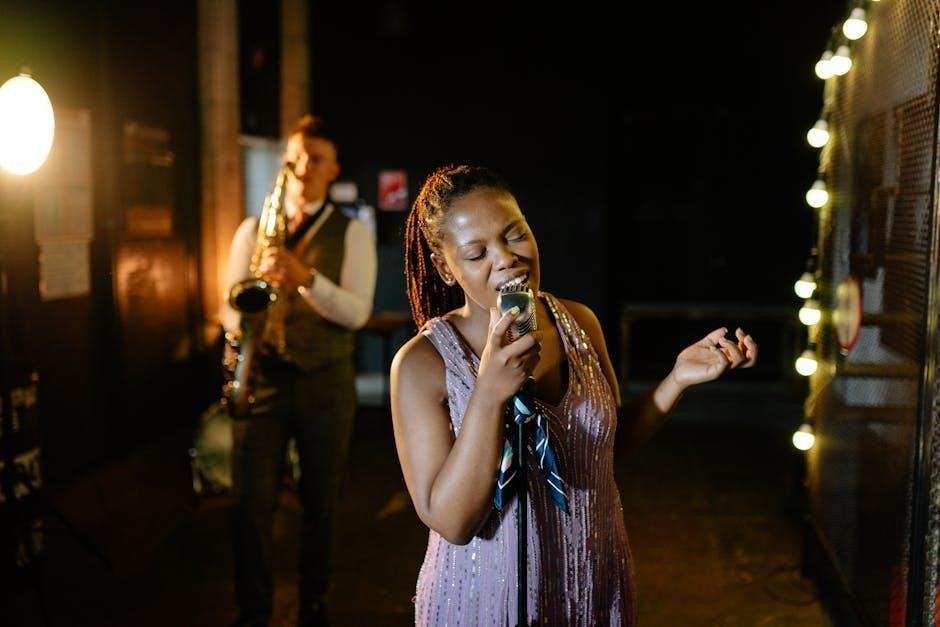
Jazz isn’t simply a backdrop in Toni Morrison’s novel; it’s a foundational element‚ structurally and thematically. The narrative’s fragmented‚ non-linear style directly mirrors the improvisational nature of jazz music‚ reflecting the characters’ disjointed memories and attempts to reconstruct the past. Morrison employs jazz rhythms and phrasing in her prose‚ creating a lyrical and evocative reading experience.
The music embodies the spirit of the Harlem Renaissance and the Great Migration‚ representing both the vibrancy and the pain of Black American life. Jazz’s inherent qualities – call and response‚ syncopation‚ and improvisation – become metaphors for the complex relationships and emotional exchanges between the characters.
Morrison uses jazz to explore themes of desire‚ loss‚ and the search for identity. The music’s ability to express unspoken emotions and hidden truths parallels the characters’ struggles to articulate their inner lives. It’s a powerful symbol of resilience‚ creativity‚ and the enduring power of Black culture.
Color Symbolism (Red‚ Yellow‚ White)
Color operates as a potent symbolic language throughout the novel‚ enriching its thematic depth. Red frequently signifies passion‚ violence‚ and the raw‚ untamed emotions that drive the characters‚ particularly in relation to desire and trauma. It’s the color of blood‚ both spilled and inherited‚ representing the lingering wounds of the past.

Yellow‚ often associated with decay and illness‚ hints at the moral and spiritual corruption that permeates the characters’ lives. It can also represent a fragile‚ fleeting happiness‚ a deceptive facade masking deeper pain. The use of yellow often foreshadows impending misfortune or reveals a character’s internal instability.
White‚ traditionally symbolizing purity‚ is ironically subverted in the novel. It represents a constructed ideal of beauty and respectability‚ unattainable and often oppressive for Black women. Morrison challenges the conventional associations of white‚ exposing its complicity in systems of racial injustice and the erasure of Black identity. These colors aren’t isolated; their interplay creates a complex tapestry of meaning.
The City as a Symbolic Landscape
The unnamed city in Jazz functions as far more than a mere setting; it’s a dynamic‚ breathing entity that mirrors the internal landscapes of its inhabitants. Representing the burgeoning urban centers of the early 20th century‚ particularly New York City during the Great Migration‚ the city embodies both promise and peril for African Americans seeking a new life.
Its crowded streets and anonymous spaces symbolize the loss of traditional community ties and the challenges of forging new identities. The city’s relentless energy and constant flux reflect the characters’ own restless desires and attempts to escape the weight of the past. Simultaneously‚ the urban environment fosters a sense of alienation and anonymity‚ contributing to the characters’ emotional isolation.
Morrison masterfully portrays the city as a space of both opportunity and oppression‚ where dreams can be realized but also easily shattered. The physical landscape—the buildings‚ streets‚ and neighborhoods—becomes imbued with the characters’ memories‚ traumas‚ and aspirations‚ transforming the city into a powerful symbol of the African American experience.
Birds and Flight as Recurring Motifs
Throughout Jazz‚ birds and the act of flying symbolize both liberation and the painful desire to escape constraints. They represent yearning for freedom‚ yet also hint at fragility.

Critical Reception and Analysis
Initial responses to Jazz were varied‚ with some critics praising Morrison’s innovative narrative style and lyrical prose‚ while others found the fragmented structure and non-linear timeline challenging. Many acknowledged the novel’s powerful exploration of Black female subjectivity and its unflinching portrayal of early 20th-century urban life.
Postcolonial readings of Jazz often focus on the ways in which the novel deconstructs dominant narratives of American history and identity‚ centering the experiences of marginalized communities. Scholars have examined how Morrison challenges conventional notions of time‚ memory‚ and storytelling‚ offering a counter-narrative to traditional historical accounts. The novel’s exploration of the Great Migration and its impact on Black identity is also a key area of analysis.

Within Morrison’s broader oeuvre‚ Jazz is often seen as a pivotal work‚ demonstrating her increasing experimentation with form and her deepening engagement with themes of trauma‚ memory‚ and the complexities of love. It bridges the gap between her earlier‚ more realist novels and her later‚ more overtly mythical and symbolic works. Jazz solidifies Morrison’s position as a major voice in contemporary American literature.
Initial Reviews and Responses
Upon its 1992 publication‚ Toni Morrison’s Jazz garnered a complex and often divided critical reception. Many reviewers lauded Morrison’s daring stylistic choices – the fragmented narrative‚ poetic prose‚ and incorporation of jazz rhythms – as groundbreaking and innovative. They praised her ability to capture the vibrant‚ chaotic energy of 1920s Harlem and the inner lives of her characters with remarkable depth and nuance.
However‚ some critics found the novel’s non-linear structure and deliberate ambiguity frustrating‚ arguing that it obscured the narrative and made it difficult to fully engage with the story. Others questioned the novel’s focus on infidelity and violence‚ suggesting that it presented a bleak and overly pessimistic view of Black life. Despite these criticisms‚ the majority acknowledged Jazz as a significant and ambitious work.
The novel quickly became a subject of intense debate within academic circles‚ sparking discussions about Morrison’s experimental techniques‚ her exploration of gender and sexuality‚ and her engagement with the historical legacy of slavery and racism. Jazz cemented Morrison’s reputation as a literary innovator and a powerful voice for African American literature.
Postcolonial Readings of the Novel
Jazz‚ while centered on the African American experience within the United States‚ lends itself powerfully to postcolonial interpretations. The novel’s exploration of identity formation in the wake of historical trauma – specifically‚ the legacy of slavery and the Great Migration – aligns with key postcolonial concerns regarding the psychological and cultural effects of colonization.
The characters in Jazz grapple with a fractured sense of self‚ attempting to construct identities within a society that has historically denied them agency and recognition. Their search for belonging and self-definition can be read as a resistance against the imposed narratives of a dominant culture. The city of Harlem itself functions as a symbolic space of both liberation and constraint‚ a site where Black Americans attempt to forge a new world while still bearing the scars of the past.
Furthermore‚ Morrison’s stylistic choices – the fragmented narrative‚ the use of vernacular language‚ and the incorporation of musical forms – can be interpreted as a deliberate disruption of colonial literary conventions. By challenging traditional narrative structures‚ she asserts a distinctly Black aesthetic and reclaims control over the representation of Black experience. The novel’s focus on interiority and subjective experience further subverts colonial modes of observation and categorization.
The Novel’s Place in Morrison’s Oeuvre
Jazz occupies a unique‚ pivotal position within Toni Morrison’s body of work‚ representing a stylistic and thematic shift while simultaneously reinforcing her core concerns. Published in 1992‚ it followed the monumental Beloved and signaled a move towards a more experimental‚ modernist approach. Unlike the sweeping historical scope of Beloved‚ Jazz focuses on a more intimate‚ contained narrative‚ exploring the complexities of individual relationships within the urban landscape of Harlem.
However‚ the novel continues Morrison’s exploration of trauma‚ memory‚ and the construction of Black identity. The fragmented narrative structure and lyrical prose echo the improvisational nature of jazz music‚ mirroring the characters’ attempts to piece together their fractured pasts. Jazz also anticipates themes that would be further developed in later works‚ such as the exploration of desire‚ betrayal‚ and the enduring power of the past.
Critically‚ Jazz demonstrates Morrison’s increasing willingness to experiment with form and language‚ solidifying her reputation as a groundbreaking and innovative novelist. It stands as a testament to her ability to seamlessly blend historical context with psychological depth‚ creating a richly textured and emotionally resonant portrait of the African American experience.
Legitimate Sources for Digital Texts
Accessing a digital copy of Toni Morrison’s Jazz legally requires utilizing reputable sources to respect copyright and support the author’s work. Several platforms offer authorized eBooks‚ ensuring a safe and ethical reading experience. Major eBook retailers like Amazon Kindle‚ Barnes & Noble Nook‚ and Kobo consistently stock Jazz in various formats.
Furthermore‚ many public library systems provide access to eBooks through services like OverDrive and Libby. These platforms allow users to borrow digital books for free with a valid library card‚ offering a cost-effective and legal alternative to purchasing. Project Gutenberg‚ while primarily focused on public domain works‚ may occasionally feature editions with appropriate licensing.
University and institutional databases often grant access to scholarly editions of literary texts‚ including Jazz‚ for research purposes. Always verify the source’s legitimacy before downloading any digital file‚ and avoid websites offering free PDFs of copyrighted material‚ as these often pose security risks and infringe upon intellectual property rights. Prioritizing legal avenues ensures continued access to Morrison’s invaluable literary contributions.
Potential Risks of Downloading PDFs
Downloading PDF versions of Jazz from unofficial sources presents significant risks. These files often harbor malware‚ viruses‚ and spyware‚ potentially compromising your device and personal data. Illegitimate websites frequently disguise malicious software within seemingly harmless documents‚ leading to identity theft or financial loss.
Furthermore‚ PDFs sourced from untrusted origins may contain corrupted files‚ rendering them unreadable or causing software malfunctions. The quality of these illegally distributed copies is often poor‚ with formatting errors and missing pages detracting from the reading experience. Copyright infringement is a serious concern; downloading pirated material supports illegal activities and undermines the author’s rights.

Beyond technical threats‚ accessing unauthorized PDFs exposes you to legal repercussions. Copyright holders actively monitor online distribution and may pursue legal action against individuals engaging in piracy. Prioritizing legitimate sources – such as authorized eBook retailers or library services – safeguards your digital security and upholds ethical standards. Always exercise caution and avoid the temptation of free‚ unverified downloads.
Copyright Considerations
Toni Morrison’s Jazz‚ like all published works‚ is protected by international copyright law. This legal framework grants exclusive rights to the author and publisher regarding reproduction‚ distribution‚ and adaptation of the novel. Downloading or sharing unauthorized PDF copies constitutes copyright infringement‚ a violation with potential legal consequences.
Copyright protection extends for the life of the author plus 70 years‚ ensuring continued control over the work’s usage. Obtaining a PDF legally requires purchasing it from authorized retailers like Amazon Kindle‚ Google Play Books‚ or through library ebook lending services. Supporting these legitimate channels directly benefits the author’s estate and encourages continued literary creation.
Circulating illegal copies‚ even without profit‚ remains a breach of copyright. Educational fair use exceptions exist‚ but typically apply to limited excerpts for scholarly purposes‚ not full-text distribution. Respecting copyright is crucial for fostering a sustainable literary ecosystem and upholding the rights of creators. Always verify the source’s legitimacy before accessing any digital version of Jazz.
Alternative Formats (eBooks‚ Audiobooks)
Beyond seeking a PDF of Toni Morrison’s Jazz‚ numerous legal and convenient alternative formats are readily available. eBook versions‚ compatible with devices like Kindles‚ Kobo readers‚ and tablets‚ offer portability and adjustable font sizes for a personalized reading experience. These are typically purchased through online retailers such as Amazon‚ Barnes & Noble‚ and Google Play Books.
Audiobook formats provide another engaging way to experience the novel‚ particularly beneficial for commuters or those who prefer listening to reading. Platforms like Audible‚ Spotify‚ and Google Play Books offer professional narrations of Jazz‚ enhancing the story’s emotional impact. Subscriptions or individual purchases grant access to these audio versions.

Library systems increasingly offer digital lending services‚ allowing patrons to borrow eBooks and audiobooks for free. Checking your local library’s website or app can reveal access to Jazz in a legal and cost-effective manner. Choosing these legitimate options supports the author and publisher while providing a superior reading experience compared to potentially unreliable PDF sources.