
Texas Fishing Guide License: A Comprehensive Overview (Updated 04/28/2026)
As of today, April 28, 2026, Texas is implementing updated residency requirements for hunting and fishing licenses․ These changes, approved by the Texas Parks and Wildlife Commission, aim to streamline identification processes and ensure compliance with state regulations․
Understanding Texas Fishing Regulations
Texas boasts diverse fishing opportunities, necessitating a robust regulatory framework managed by the Texas Parks and Wildlife Department (TPWD)․ These regulations are crucial for conserving fish populations, protecting aquatic habitats, and ensuring fair access for all anglers․ Understanding these rules is paramount, especially for fishing guides who are responsible for educating their clients and maintaining legal compliance․
Regulations cover various aspects, including legal fishing methods, size and bag limits for different species, designated fishing zones, and required gear․ Specific rules differ between freshwater and saltwater environments, reflecting the unique ecosystems and species present in each․ Guides must stay current with these evolving regulations, as TPWD frequently updates them based on scientific data and conservation needs․ Failure to adhere to these regulations can result in substantial fines and potential license revocation․
Recent changes, effective August 1st, focus on stricter proof-of-residency requirements for license acquisition, impacting both residents and non-residents utilizing guiding services․ TPWD provides extensive resources, including online guides and mobile applications, to help anglers and guides navigate these complex regulations effectively․
Who Needs a Fishing License in Texas?
Generally, anyone 17 years or older intending to fish in public waters of Texas requires a valid fishing license․ This applies to both freshwater and saltwater fishing, though specific license types cater to each environment; Exemptions exist for certain individuals, including those fishing on their private property, individuals with disabilities (meeting specific criteria), and children under 17․
However, the requirements become more nuanced for fishing guides․ A standard recreational fishing license is insufficient for anyone offering guided fishing services for compensation․ Guides require specific licenses, detailed in subsequent sections, acknowledging their commercial activity․ Clients of a licensed guide do not necessarily need their own license if fishing under the direct supervision of the guide and as part of a guided trip․
Recent updates to residency verification impact license eligibility, requiring stricter documentation․ Understanding these rules is vital for guides ensuring their clients are compliant, or clarifying when a client’s license isn’t needed under guided circumstances․ TPWD resources offer clarity on these requirements․
Types of Texas Fishing Licenses
Texas Parks and Wildlife Department (TPWD) offers a variety of fishing licenses to accommodate diverse angling needs․ The primary distinctions lie between freshwater and saltwater licenses, with a combination option available for anglers pursuing both․ Recreational licenses are the most common, suitable for individuals fishing for personal enjoyment․
However, for those operating as fishing guides, a different category exists․ While a standard recreational license doesn’t suffice, guides have options including a Commercial Fishing License, or potentially a specialized guide endorsement depending on the scope of their operations․ These licenses carry different fees and reporting requirements․
Lifetime licenses are also available, offering a one-time purchase for continued fishing privileges․ It’s crucial for guides to select the license accurately reflecting their commercial activity, as operating without the correct license carries significant penalties․ Recent changes to residency requirements impact eligibility for various license types, necessitating careful review of TPWD guidelines․
Freshwater Fishing License
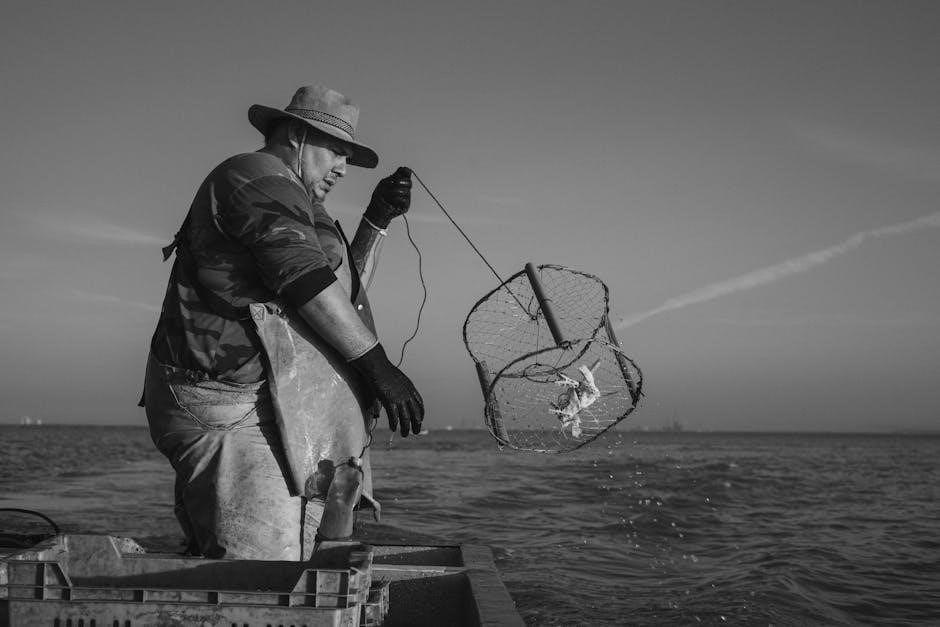
A Texas Freshwater Fishing License is required for anyone 17 years or older to fish in the public waters of Texas – rivers, lakes, ponds, and streams – that are not part of the Gulf of Mexico․ This license covers a wide range of freshwater species, from bass and catfish to crappie and sunfish․ For fishing guides focusing exclusively on freshwater environments, this is the foundational license needed․
However, simply possessing a freshwater license isn’t always sufficient for guiding․ Guides must also adhere to specific regulations regarding client limits, reporting catches, and maintaining proper documentation․ The TPWD frequently updates these regulations, so staying informed is vital․ License fees vary based on duration – options include one-day, seven-day, and annual licenses․
Recent changes to residency verification impact the acquisition of freshwater licenses, requiring anglers to provide acceptable proof of Texas residency․ Guides should familiarize themselves with these updated requirements to ensure compliance and avoid potential penalties․ The TPWD mobile app offers a convenient way to purchase and manage freshwater licenses․
Saltwater Fishing License
To legally fish in the saltwater waters of Texas – including the Gulf of Mexico and its bays and estuaries – individuals aged 17 and above require a Texas Saltwater Fishing License․ This license grants access to a diverse range of species, such as redfish, speckled trout, flounder, and snapper․ For guides specializing in saltwater fishing excursions, this license is paramount․
Similar to freshwater regulations, saltwater guides are subject to specific rules concerning bag limits, size restrictions, and reporting requirements․ The Texas Parks and Wildlife Department (TPWD) actively enforces these regulations to ensure sustainable fisheries management․ License options include one-day, seven-day, and annual permits, catering to varying needs․
The recent updates to residency verification also apply to saltwater licenses, necessitating guides and clients alike to present valid proof of Texas residency․ Utilizing the TPWD mobile app simplifies the license purchase and management process․ Guides must remain current on all TPWD announcements regarding saltwater fishing regulations and licensing procedures․
Combination Freshwater & Saltwater License
For Texas fishing guides who cater to both freshwater and saltwater anglers, the Combination Freshwater & Saltwater License presents a cost-effective and convenient option․ This single license allows guides to legally conduct fishing trips in any public water body within the state, eliminating the need to purchase and maintain separate permits․
This license is particularly beneficial for guides operating in coastal regions where access to both freshwater rivers and saltwater bays is common․ It streamlines compliance and reduces administrative burdens․ Like individual licenses, the combination license is subject to the updated residency requirements implemented by the Texas Parks and Wildlife Commission, demanding proper documentation․
Guides should familiarize themselves with the specific regulations applicable to each body of water, as freshwater and saltwater fisheries have distinct rules regarding species limits, size restrictions, and permitted gear․ The TPWD mobile app offers a valuable resource for staying informed about these regulations and managing license details efficiently․
Lifetime Fishing Licenses
While primarily geared towards recreational anglers, Texas Lifetime Fishing Licenses can offer long-term benefits for fishing guides, particularly those with a long-term commitment to operating within the state․ These licenses eliminate the recurring annual renewal fees and associated administrative tasks, providing a one-time investment for unlimited fishing privileges․
However, it’s crucial to understand that Lifetime Licenses do not exempt guides from needing any additional required permits or licenses specific to commercial guiding operations․ A Lifetime License simply covers the basic right to fish; it doesn’t supersede the need for a commercial fishing license or adherence to reporting requirements․
Guides considering a Lifetime License should carefully evaluate their long-term plans and compare the one-time cost against the cumulative expense of annual renewals․ Given the recent updates to residency requirements, verifying eligibility and providing acceptable documentation is paramount during the application process․ The TPWD website provides detailed information on Lifetime License options and associated criteria․
Specific License Requirements for Guides
Texas fishing guides face more stringent licensing than recreational anglers․ Beyond a standard Freshwater or Saltwater License (or Combination), guides operating for hire must obtain a Commercial Fishing License․ This license acknowledges the business aspect of their activity and allows them to legally charge for guiding services․
The Commercial Fishing License application requires detailed information about the guide’s operation, including the type of fishing activities offered, the waters fished, and proof of liability insurance․ Guides are also subject to specific reporting requirements, detailing their catches and client information to the Texas Parks and Wildlife Department (TPWD)․
Recent changes to residency verification impact guides as well․ Demonstrating Texas residency with acceptable documentation is now crucial for obtaining and renewing commercial licenses․ Failure to comply with these requirements can result in penalties, including fines and suspension of guiding privileges․ Staying updated on TPWD regulations is vital for all professional guides․
Commercial Fishing Licenses
A Commercial Fishing License in Texas is mandatory for anyone deriving income from fishing activities․ This extends beyond simply guiding; it encompasses selling fish, operating a fishing charter, or any business venture centered around harvesting or facilitating the harvest of aquatic resources․ Obtaining this license requires a separate application process from recreational licenses․
Applicants must provide detailed information regarding their business, including the type of fishing conducted, the specific locations fished, and the intended use of the harvested fish․ Proof of adequate liability insurance is also a critical component of the application․ The TPWD closely scrutinizes these applications to ensure sustainable fishing practices and responsible resource management․
License fees for commercial operations are significantly higher than those for recreational angling, reflecting the commercial nature of the activity․ Regular reporting of catches and adherence to all TPWD regulations are essential for maintaining a valid Commercial Fishing License․ Penalties for non-compliance can be severe, including license revocation and substantial fines․
Requirements for Out-of-State Residents
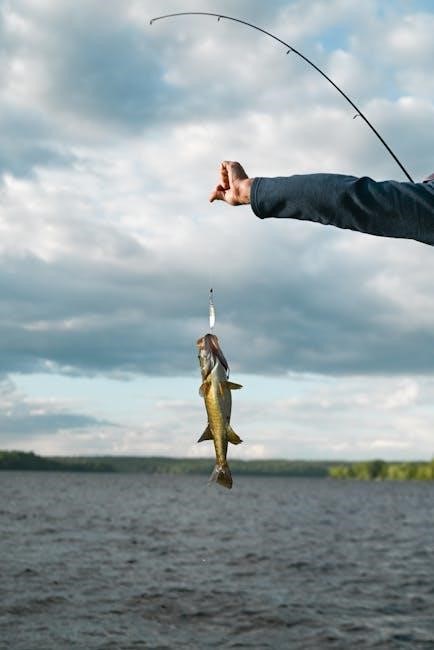
Non-Texas residents seeking to fish in Texas waters must obtain a Non-Resident Fishing License․ These licenses are available for various durations, including one-day, three-day, seven-day, and annual options, catering to different visiting schedules․ The cost varies depending on the chosen duration, with annual licenses being the most expensive but offering the best value for frequent visitors․
Recent updates to Texas residency requirements, effective August 1st, impact out-of-state residents attempting to establish residency solely for licensing purposes․ The Texas Parks and Wildlife Commission has strengthened proof-of-residency standards, making it more difficult to falsely claim Texas residency to avoid non-resident fees․
Acceptable documentation for non-residents includes a valid driver’s license from their home state and proof of current address․ Purchasing a license online or through the TPWD mobile app is convenient, but may require additional verification steps․ It’s crucial to review the latest TPWD guidelines before your trip to ensure full compliance with all regulations․
Proof of Residency for License Acquisition
Establishing Texas residency is crucial for obtaining resident fishing licenses and avoiding higher non-resident fees․ The Texas Parks and Wildlife Department (TPWD) has recently updated its requirements for proof of residency, effective August 1st, 2026, to prevent fraudulent claims․ These changes aim to ensure fairness and accurate license distribution․
Previously accepted documents may no longer suffice․ TPWD now requires more robust verification, focusing on demonstrating a genuine intent to make Texas your primary home․ Acceptable documentation includes a valid Texas driver’s license or identification card, a Texas voter registration card, and proof of a physical address within the state․
Furthermore, utility bills (water, electricity, gas), lease agreements, or property tax statements in your name and showing a Texas address are often required․ Simply having a Texas mailing address is insufficient․ TPWD emphasizes the importance of providing original documents or certified copies, not photocopies, to ensure authenticity․
New Residency Requirements (Effective Dates)
The updated residency requirements for Texas hunting and fishing licenses, including those for guides, officially take effect on August 1, 2026․ This date marks a significant shift in how the Texas Parks and Wildlife Department (TPWD) verifies residency status for license applicants․ Individuals seeking resident rates must adhere to the new standards starting on this date․

Prior to August 1, 2026, existing documentation may still be accepted, but TPWD strongly encourages applicants to prepare the updated required documents in advance to avoid delays․ The transition period is intended to allow residents time to gather the necessary proof of residency․
It’s important to note that these changes apply to all license types, including freshwater, saltwater, combination licenses, and lifetime licenses․ TPWD will be strictly enforcing the new rules, and applications lacking sufficient proof of residency will be denied or subject to non-resident fees․ Regularly checking the TPWD website for the most current information is highly recommended․

Acceptable Forms of Residency Documentation
To establish Texas residency for licensing purposes, the TPWD will accept a range of documentation beginning August 1, 2026․ Primary documents include a valid Texas driver’s license or identification card displaying a Texas address․ A current Texas vehicle registration is also considered acceptable proof․
Furthermore, individuals can submit a utility bill (water, electricity, gas) with a Texas address and issued within the last 90 days․ Official mail from a Texas state agency, such as property tax statements, can also serve as verification․ For those recently moved to Texas, a lease agreement or property deed demonstrating a Texas address is permissible․
It’s crucial that submitted documents clearly display the applicant’s name and current Texas address․ TPWD reserves the right to request additional documentation if the provided proof is deemed insufficient․ A complete list of accepted documents and specific requirements is available on the TPWD website․
Online License Purchase Process
The Texas Parks and Wildlife Department (TPWD) offers a convenient online system for purchasing fishing licenses; To begin, navigate to the TPWD website and create a My Texas Outdoors account, or log in if you already have one․ This account securely stores your information for future transactions․
Once logged in, select the desired license type – freshwater, saltwater, or combination – and complete the required information, including residency details and fishing method preferences․ You’ll be prompted to upload acceptable proof of residency documentation if it hasn’t been previously verified․
After reviewing your order, proceed to the secure payment portal․ TPWD accepts major credit and debit cards․ Upon successful payment, your license will be digitally issued and accessible through your My Texas Outdoors account and the TPWD mobile app․ Remember to carry a valid form of identification while fishing․
TPWD Mobile App for Licensing
The Texas Parks and Wildlife Department (TPWD) provides a user-friendly mobile app, available for both iOS and Android devices, significantly simplifying the license acquisition and management process․ This app allows anglers to purchase licenses directly from their smartphones or tablets, eliminating the need for in-person visits or online website access․
Beyond purchasing, the TPWD app serves as a digital license wallet, securely storing your fishing license, ensuring it’s always readily available for inspection by game wardens․ The app also provides access to important regulations, fishing reports, and TPWD news updates, keeping anglers informed about current conditions and rule changes․
Users can create or link their existing My Texas Outdoors account to the app for seamless integration․ The app streamlines the process, offering a convenient and efficient way to stay compliant with Texas fishing regulations while enjoying the outdoors․ Download it today for enhanced accessibility!
License Fees and Costs (2026 Rates)
For the 2026 licensing year, Texas offers a tiered fee structure for its various fishing licenses․ A Freshwater Fishing License is currently priced at $30 for Texas residents aged 17 and older․ Saltwater Fishing Licenses also cost $30 for residents in the same age bracket․ The popular Combination Freshwater & Saltwater License, providing access to all public waters, is available for $55․
Non-resident fees are considerably higher, with Freshwater and Saltwater licenses costing $85 each, and the Combination license priced at $110․ Five-year licenses are available, offering cost savings for frequent anglers, with prices varying based on license type and residency․ Lifetime licenses represent a significant investment but provide unlimited fishing privileges․
Specific endorsements, such as those required for certain species or fishing methods, incur additional costs․ It’s crucial to consult the official TPWD website for the most up-to-date and comprehensive fee schedule, as rates are subject to change․
Freshwater License Fees
Texas residents seeking to fish in inland waters will find several Freshwater License options available for 2026․ The standard Annual Freshwater Fishing License is priced at $30 for individuals aged 17 and over․ For those planning extended fishing trips, a 5-Year Freshwater License is offered at $150, providing substantial savings over the annual cost․
A Lifetime Freshwater Fishing License is also available for Texas residents, representing a one-time investment of $750 for individuals under 65, and $300 for seniors 65 and older․ Non-residents face higher fees: an Annual Freshwater License costs $85, while the 5-Year option is priced at $425․
Certain exemptions apply, such as for children under 17 and individuals fishing on private property with the owner’s permission․ Always verify current regulations and fees on the Texas Parks and Wildlife Department (TPWD) website before purchasing a license․
Saltwater License Fees
For anglers targeting the Gulf Coast and other saltwater environments, Texas offers a range of Saltwater License options for 2026․ The annual Saltwater Fishing License for Texas residents is set at $30 for individuals 17 years and older․ A convenient 5-Year Saltwater License is available for $150, offering long-term cost savings․
Lifetime options are also present, with a Lifetime Saltwater Fishing License costing $750 for those under 65, and a reduced rate of $300 for seniors aged 65 and above․ Non-residents will encounter different pricing: an Annual Saltwater License is $85, and a 5-Year License is priced at $425․
Remember to check for potential endorsements required for specific species or fishing methods․ The TPWD website provides the most up-to-date fee schedule and details regarding any applicable exemptions or discounts․ Always confirm current regulations before heading out to fish․

Cost of Combination Licenses
For anglers who enjoy both freshwater and saltwater fishing, Texas Parks and Wildlife Department (TPWD) offers convenient Combination Licenses․ The annual Combination Freshwater & Saltwater License for Texas residents is priced at $50, providing access to all public fishing waters within the state․ A 5-Year Combination License is available for $250, representing a significant cost saving over purchasing individual licenses annually․
Lifetime options are also available: a Lifetime Combination License costs $1,000 for individuals under 65, with a reduced rate of $500 for seniors aged 65 and older․ Non-residents can purchase an Annual Combination License for $120, or a 5-Year Combination License for $600․
These licenses represent excellent value for frequent anglers․ Be sure to verify any additional endorsements needed for specific fishing activities․ The TPWD website provides the most current fee information and details regarding eligibility and exemptions․
Renewing Your Texas Fishing License
Texas fishing licenses are typically valid for 365 days from the date of purchase․ Renewal is crucial to maintain legal fishing privileges and avoid potential penalties․ The TPWD offers several convenient renewal methods, including online through their website, via the TPWD mobile app, and at authorized license retailers throughout the state․
License holders will receive a renewal notice before their current license expires, but it’s the angler’s responsibility to ensure timely renewal․ Online and app renewals require a valid credit or debit card․ Retailer renewals accept cash, checks, and card payments․ Remember to have your previous license information readily available during the renewal process․
The TPWD encourages anglers to renew early to avoid any lapse in coverage, especially during peak fishing seasons․ Staying compliant with licensing requirements supports conservation efforts and ensures the sustainability of Texas’s valuable fisheries․
Reporting Requirements for Fishing Guides
Texas fishing guides operating commercially have specific reporting obligations to the Texas Parks and Wildlife Department (TPWD)․ These requirements are designed to monitor fishing activity, assess resource health, and ensure responsible guiding practices․ Guides must accurately report their guided trips, including the number of anglers, fishing locations, and species harvested․
Reporting is typically conducted through the TPWD’s online Angler Harvest Reporting System․ Timely and accurate submissions are essential for maintaining compliance․ Failure to report, or submitting inaccurate information, can result in penalties, including fines and license suspension․ Guides are also responsible for ensuring their clients possess valid fishing licenses․
The TPWD may periodically request additional data or conduct audits to verify reporting accuracy․ Staying informed about current reporting protocols and fulfilling these obligations is a critical aspect of operating a legal and sustainable fishing guide business in Texas․
Penalties for Fishing Without a License
Fishing in Texas without a valid license carries significant penalties, enforced by Texas Game Wardens․ These penalties are designed to deter illegal fishing activity and protect the state’s natural resources․ The most common penalty is a fine, which can range from a minimum of $50 to several hundred dollars, depending on the specific violation and prior offenses․
Beyond fines, individuals caught fishing without a license may also face additional court costs and potentially lose their fishing privileges for a specified period․ Repeat offenders can face escalated penalties, including increased fines, longer license suspensions, and even jail time․ Guides found to be facilitating unlicensed fishing by their clients are subject to even stricter consequences, potentially including license revocation․
It’s crucial to understand and adhere to Texas fishing regulations to avoid these penalties․ Always carry your valid fishing license while fishing and ensure all anglers in your party are properly licensed․
Resources and Contact Information (TPWD)
For comprehensive information regarding Texas fishing regulations, licensing requirements, and updates – particularly concerning the new residency rules effective August 1, 2026 – the Texas Parks and Wildlife Department (TPWD) website is the primary resource: https://tpwd․texas․gov/․ This site offers downloadable guides, FAQs, and online licensing options․
The TPWD also provides a mobile app for convenient license purchase and access to regulations on smartphones and tablets․ Customer service representatives are available to assist with inquiries․ You can reach them by phone at (512) 389-4848 during business hours․ For localized information and enforcement details, contacting your regional TPWD office is recommended․
Furthermore, TPWD frequently publishes updates and announcements regarding hunting and fishing seasons, rule changes, and conservation efforts․ Following their official social media channels ensures you stay informed about the latest developments impacting Texas anglers and guides․
Finding a Licensed Fishing Guide in Texas
Locating a qualified and licensed fishing guide in Texas is facilitated through the Texas Parks and Wildlife Department (TPWD) website․ TPWD maintains a directory of licensed guides, searchable by region and species targeted, ensuring anglers connect with legitimate professionals adhering to state regulations․
When selecting a guide, verifying their license status is crucial․ The TPWD website allows you to confirm a guide’s credentials, ensuring they possess the necessary permits and insurance․ Consider factors beyond licensing, such as experience, specialization (freshwater vs․ saltwater), and customer reviews․
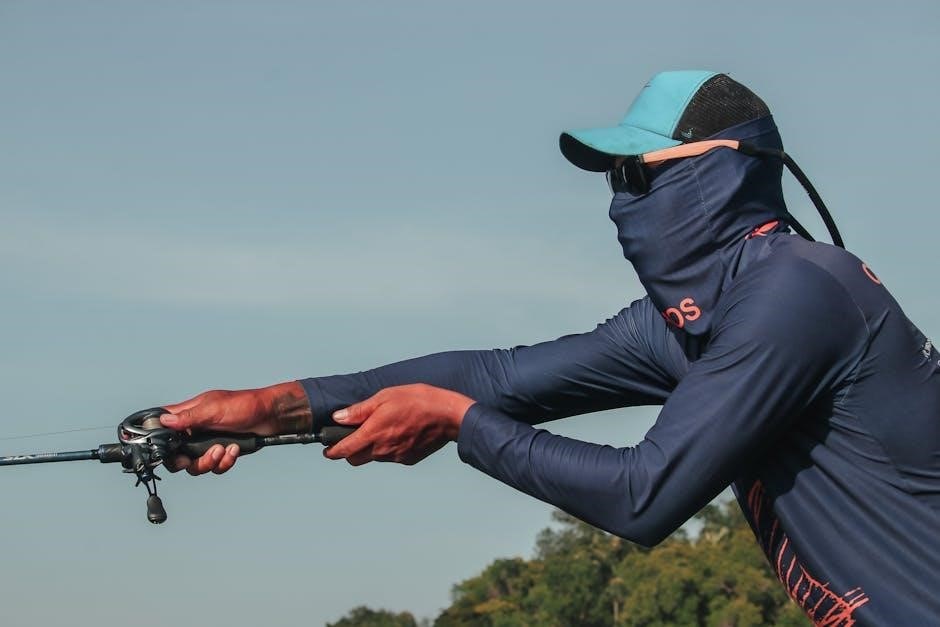
Several online platforms also list Texas fishing guides, often including detailed profiles and booking options․ However, always cross-reference information with the official TPWD directory to confirm license validity․ A reputable guide will readily provide their license number upon request, demonstrating transparency and professionalism․