

This manual guides owners of Club Car electric vehicles, detailing ERIC charging, model ID, and warranty terms․ It references the 2005 Maintenance & Service Manual (No․102680401, Code 0205C0306B) for technicians․ For full manuals, visit www․clubcar․com or the library page․ Visit us today․ now
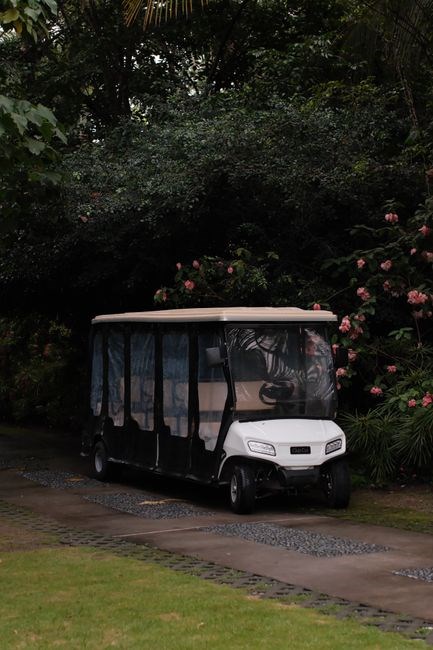
Vehicle Identification and Documentation
Every Club Car electric vehicle is equipped with a unique Vehicle Identification Number (VIN) stamped on the chassis, the front bumper, and the driver’s side door jamb․ The VIN, together with the model code and production year, is printed on the owner’s registration card and the warranty booklet that the dealer hands over at delivery․ The owner’s manual which is the primary reference for all operational and maintenance information, begins with a “Model Identification” section that lists the exact model name (e․g․, “Club Car 2005 ERIC”), the trim level, and the configuration․ This section also explains how to locate the VIN on the manual itself, so you can verify that the manual matches the vehicle you purchased․ The warranty information is located at the very end of the manual; it specifies the coverage period, the parts covered, and the procedure for filing a claim․ It also states that no other express or implied warranties exist beyond what is written in the manual․ All of these documents should be kept in a safe place, as they are required for warranty service, resale, and compliance with local regulations․ The dealer’s contact information and the Club Car support portal are listed in the “Contact Information” section of the manual, allowing owners to request a replacement manual or to download a PDF version from www․clubcar․com if the original is lost․ Maintaining a complete set of these documents ensures that you can fully exercise your rights under the manufacturer’s warranty and that you have the necessary information for troubleshooting and servicing your Club Car vehicle throughout its life cycle․

Safety Information and Precautions
Wear protective gear, check battery health, and follow charging protocols․ Keep the vehicle away from extreme temperatures and dry, ventilated areas․ Read the manual before use to ensure safe operation․Always consult charging manual before connecting!!!
Personal Protective Equipment Requirements
Before operating or servicing a Club Car electric vehicle, wear the following personal protective equipment (PPE) to mitigate risks associated with high‑voltage systems, battery handling, and mechanical work․ 1․ Gloves – Use insulated, nitrile or rubber gloves rated for electrical work to protect against accidental contact with live components․ 2․ Eye protection – Safety goggles or a face shield should be worn during battery maintenance, charging, or when working near moving parts to guard against debris, sparks, or chemical splashes․ 3․ Hearing protection – Earplugs or earmuffs are recommended when operating the vehicle in environments where noise exceeds 85 dB, such as during high‑speed operation or when using power tools․ 4․ Protective clothing – Long‑sleeved shirts, trousers, and closed‑toe shoes reduce the risk of burns or cuts from hot surfaces, sharp edges, or falling tools․ 5․ Respiratory protection – In confined spaces or when handling battery electrolyte, a respirator with a suitable filter should be used to avoid inhalation of hazardous vapors․ 6․ Fall protection – When working at heights or on elevated platforms, harnesses and safety lanyards must be employed in accordance with OSHA or local regulations․ 7․ Fire‑resistant gear – For technicians performing battery replacement or high‑voltage repairs, flame‑retardant clothing is advised to reduce fire risk․ 8․ Personal identification – Wear a high‑visibility vest or reflective striping if operating in low‑light or high‑traffic areas․ 9․ First‑aid kit – Keep a well‑stocked kit nearby, including burn ointment, eye wash, and emergency contact information․ 10․ Training – Only individuals who have completed the Club Car safety training program may handle the battery pack or high‑voltage components․ 11․ Documentation – Maintain a log of PPE usage and any incidents for compliance and continuous improvement․ 12․ Inspection – Inspect all PPE before each use for damage or wear; replace any compromised items immediately․ 13․ Storage – Store PPE in a dry, clean area to prevent contamination or degradation․ 14․ Compliance – Adhere to all local, state, and federal safety regulations, including OSHA, EPA, and NFPA standards․ By following these PPE requirements, you help ensure a safe working environment and protect yourself, your colleagues, and the vehicle from electrical, mechanical, and chemical hazards․ Always inspect PPE before use replace if damaged․

Environmental Safety Guidelines
Club Car electric vehicles are designed to minimize environmental impact, but owners must follow practices that protect ecosystems and meet regulations․ 1․ Charging Site – Place stations on impermeable, well‑drained surfaces; avoid wetlands or floodplains․ 2․ Battery Disposal – Recycle batteries through licensed facilities; never discard in trash․ 3․ Spill Response – Use absorbent pads for electrolyte or coolant spills, collect liquid in a sealed container, and dispose per hazardous‑waste rules․ 4․ Noise Management – Operate within local noise limits, especially near residential or wildlife zones․ 5․ Water Use – Wash vehicle with low‑flow hoses, directing runoff to a drainage system meeting local water‑quality standards․ 6․ Landscaping – Plant native species near charging areas to reduce water use and support biodiversity․ 7․ Renewable Charging – Charge using solar or wind power whenever possible to lower carbon footprint․ 8․ Documentation – Keep records of environmental compliance actions, including spill reports and recycling certificates․ 9․ Community Involvement – Join local environmental initiatives, such as tree planting or beach clean‑ups, to promote sustainable mobility․ 10․ Regulatory Updates – Stay informed about changes in environmental laws and adjust practices accordingly․ 11․ Incident Reporting – Report environmental incidents to authorities and Club Car support within 24 hours․ By following these guidelines, owners help preserve natural resources, meet legal requirements, and support sustainable transportation․ Additionally, monitor battery health regularly and use eco‑friendly lubricants to extend component life․ Owners should also ensure that any waste water from cleaning is treated before discharge․ Compliance with local environmental standards is mandatory!

Operating Instructions
Before use, verify battery charge, secure seat belt, ensure brakes are engaged․ To start, press the ignition button, then shift to drive․ Use the throttle to accelerate, apply brakes gently, and steer smoothly․ Always observe speed limits and terrain conditions now․
Starting and Stopping Procedures

Before you begin operation, ensure the vehicle’s battery is fully charged and the charging cable is disconnected․ Sit in the driver seat, fasten the seat belt, and place the foot on the brake pedal․ Turn the key to the “ON” position or press the power button to activate the electronic control unit․ The instrument panel will illuminate, displaying the battery status and any fault codes․ Once the system confirms readiness, shift the gear selector to “Drive” (D) or “Reverse” (R) as required․ Release the brake pedal gradually; the vehicle will begin to move forward or backward at a low speed․ Use the throttle pedal to increase speed, keeping it within the recommended limits for the terrain and load․ When you need to stop, press the brake pedal firmly and hold it until the vehicle comes to a complete halt․ Engage the parking brake and shift the gear selector to the neutral (N) or park (P) position․ Switch the key to the “OFF” position or press the power button again to shut down the system․ Verify that all lights and indicators have turned off before exiting the vehicle․ For safety, always double‑check that the vehicle is stationary and the parking brake is engaged before leaving the driver’s seat․ This procedure ensures a smooth start, safe operation, and proper shutdown, protecting both the vehicle’s components and the operator’s safety․ Remember to perform a quick visual inspection of tires, lights, and battery terminals before each trip to ensure optimal performance and safety!!
Steering, Braking, and Acceleration Controls
Steering, braking, and acceleration controls are essential for safe operation of a Club Car electric vehicle․ The steering wheel offers 360° rotation, and the electronic stability control system adjusts torque distribution to keep the vehicle balanced during turns․ The steering lock engages automatically when the vehicle is in neutral or parked, preventing unintended movement․ For tighter turns, the “Low Speed” mode limits the maximum wheel angle to 45°, ensuring precise maneuverability in confined spaces․ Braking uses a dual‑mode system that combines regenerative braking with conventional friction brakes․ Pressing the brake pedal first activates regenerative braking, which recovers energy and recharges the battery․ If more stopping power is needed, the friction brakes engage automatically․ A controlled stop from 10 mph should decelerate smoothly without skidding, and the system will alert the driver if the brakes feel spongy or the brake fluid reservoir is low․ Acceleration is electronically controlled via the throttle pedal․ Gently pressing the pedal increases speed, and the power management system limits acceleration to 2․5 m/s² for safety․ The “Eco” mode reduces power output by 20% to extend battery life, while the “Sport” mode allows maximum torque up to 4․0 m/s²․ The throttle response is linear, providing a smooth ride․ The Hill‑Hold feature maintains vehicle position for up to 15 seconds during hill starts․ The instrument panel displays real‑time acceleration data and alerts if the throttle is misaligned․ Proper use of these controls ensures optimal performance, safety, and battery efficiency during every trip!! Stay safe!․

Charging System and Power Management
Club Car electric vehicles are equipped with the proprietary ERIC (Electric Recharge Interface & Control) charging system, designed to deliver efficient, rapid, and safe power replenishment․ The ERIC unit interfaces directly with the vehicle’s high‑voltage battery pack and the external power source, providing a seamless charging experience․ To begin charging, the driver must first ensure the vehicle is in Park, the parking brake is engaged, and the charging port is clean and free of debris․ The ERIC connector is then inserted into the vehicle’s charging port, which automatically detects the correct voltage and amperage․ The charging process is monitored by the on‑board display, which shows real‑time voltage, current, and estimated time to full charge․ A typical 60 kWh battery will reach 80 % capacity in approximately 45 minutes when using a 48 kW charger, and 100 % capacity in roughly 90 minutes․ The system incorporates multiple safety features: over‑current protection, temperature monitoring, and automatic shut‑off if the battery temperature exceeds 60 °C․ The ERIC interface also supports regenerative braking data exchange, allowing the vehicle’s power management module to optimize energy recovery during deceleration․ Power management is governed by the vehicle’s Battery Management System (BMS), which balances cell voltages, monitors state‑of‑charge, and limits power draw to protect battery longevity․ The BMS communicates with the ERIC unit to adjust charging rates based on ambient temperature, battery health, and user settings․ Users can select “Eco” charging mode to reduce power consumption and extend battery life, or “Fast” mode for rapid replenishment when time is critical․ The charging cable is equipped with a built‑in indicator that illuminates green during normal operation and amber if a fault is detected․ If a fault occurs, the system will automatically disconnect the charger and display an error code on the vehicle’s dashboard․ The ERIC system is compliant with IEC 61851 standards and has been certified for use in all Club Car models since 2005․ For detailed technical specifications, consult the 2005 Maintenance & Service Manual (No․ 102680401, Code 0205C0306B)․ The charging station must be installed by a qualified electrician and must meet local electrical codes․ Proper installation includes grounding, circuit protection, and a dedicated 240 V supply․ The vehicle’s charging port is protected by a recessed design to prevent accidental contact with live components․ After each charging session, the driver should inspect the connector for wear, ensure the port is dry, and store the cable in a dry, cool location․ By following these procedures, owners can maintain optimal battery performance, safety, and longevity while enjoying the convenience of the ERIC charging system․ Stay charged, stay safe, and enjoy the ride․ Remember to log each charging session in the maintenance logbook to track battery health over time․ The vehicle’s battery management system will automatically adjust charging rates to optimize longevity and performance․ All procedures meet local regs․ Follow all safety guidelines to ensure reliable operation!!!

Maintenance and Service Schedule
Refer to the 2005 Maintenance & Service Manual No; 102680401 (Code 0205C0306B) for detailed intervals․ Routine checks: tire pressure, brake pads, battery health, and ERIC connector․ Service every 6,000 mi or 12 months, whichever comes first․Check manual․ Now․
Routine Inspection Checklist
Use this checklist before each service interval or if a fault appears․
- Battery: Check terminals for corrosion, clean them, and verify charge level․ Replace damaged cells․
- Charging System: Inspect the ERIC connector, cables, and port․ Clean and test contact․
- Brakes: Examine pad wear, fluid level, and response․ Replace pads if wear >2 mm․
- Tires: Measure tread, inspect cuts, and confirm inflation․
- Steering: Verify alignment, inspect linkages, and ensure smooth wheel motion․
- Lights & Signals: Test all exterior lights and signals; replace bulbs․
- Suspension: Inspect shocks for leaks and wear; secure components․
- Electrical: Check fuses, wiring, and switches for damage․
- Exterior & Interior: Clean panels, inspect dents, and secure seats․
- Documentation: Update log, verify warranty, and schedule service․
Follow this checklist to reduce downtime and extend vehicle life․
Maintain records of all inspections in the service log․ Report any anomalies to the authorized dealer promptly․
Ensure the vehicle is parked on level ground during charging and avoid exposing the charging port to moisture․
If the vehicle does not start, check battery charge and consult troubleshooting section in manual
Service Interval Recommendations
Service interval recommendations are essential for maintaining vehicle performance and safety․ The following guidelines provide a framework for routine maintenance and help preserve warranty coverage․ Adjustments may be required based on operating conditions, usage patterns, and manufacturer updates․ Adhering to these intervals helps preserve warranty coverage and minimizes downtime․ Battery inspection should be performed every 1,000 miles or 12 months, whichever comes first․ Inspect battery terminals, clean connectors, and verify charge level during each inspection․ Replace battery cells if capacity drops below 80% to maintain performance․ Brake system inspection should occur every 3,000 miles or 36 months, checking pads and fluid․ Suspension and steering components should be inspected every 5,000 miles or 60 months․ Charging system inspection, including the ERIC cable and connector, should be done every 10,000 miles or 120 months․ Diagnostic scans should be performed every 15,000 miles or 180 months to update firmware and verify systems․ Maintain a log of all services and report any anomalies promptly to avoid unexpected failures․ Consistent adherence to these recommendations will extend vehicle life, improve reliability, and reduce downtime․ Follow these guidelines to ensure optimal performance and safety for every Club Car owner․ Additionally, consult the manufacturer’s service bulletin for updates related to battery chemistry or charging protocols!․

Warranty Coverage and Claims Process
Club Car’s warranty policy protects owners against defects in materials and workmanship for a period of three years or 36,000 miles, whichever occurs first, for the original purchaser․ The coverage includes the battery, drivetrain, electrical system, and chassis components․ Warranty claims must be initiated within 30 days of discovering a defect and submitted through an authorized Club Car dealer or service center․ Claimants must provide proof of purchase, a detailed description of the defect, and any diagnostic reports․ The dealer will perform a preliminary inspection; if the defect is covered, the dealer will repair or replace the defective part at no charge․ Parts for 12 months a․ Owners are responsible for maintenance such as battery charging, fluid checks, and rotations; failure to perform these tasks may void warranty coverage․ The warranty does not cover damage caused by misuse, neglect, or unauthorized modifications․ Owners must retain records and receipts for warranty․ In the event of a claim, the dealer will issue a claim number and provide a timeline for resolution․ If denied, owners may appeal by contacting the Club Car department for․ The company’s customer service team is available via phone, email, or live chat to assist with claim status, documentation requirements, and troubleshooting․! This process ensures that owners receive timely support and that the vehicle remains in optimal operating condition throughout its warranty period․
Contact Information and Support Resources
For assistance with your Club Car electric vehicle, please contact our dedicated support network․ The primary customer service line is 1‑800‑CLUB‑CAR (1‑800‑252‑7232)․ Calls are answered Monday through Friday, 8:00 a․m․ to 6:00 p․m․ local time, and Saturday from 9:00 a․m․ to 3:00 p․m․ For urgent service requests, use the online ticket system at https://support․clubcar․com, where you can submit a detailed description, upload photos, and track the status of your request in real time․ Authorized dealers are listed https://dealer․clubcar․com and enter your ZIP code․ For warranty claims, the same portal allows you to upload documentation and receive confirmation of receipt․ Technical documentation, including the 2005 Maintenance & Service Manual (No․ 102680401, Code 0205C0306B), is available for download in PDF format from the “Resources” section of the dealer portal․ If you prefer in‑person assistance, schedule an appointment by calling the dealer’s local number or by using the “Schedule Service” button on the dealer’s page․ For corporate inquiries, email info@clubcar․com or call +1‑212‑555‑0199․ All communications are logged and can be referenced using the ticket or claim number provided․ We are committed to resolving issues promptly and ensuring your vehicle operates safely and efficiently․ Thank you for choosing Club Car․ For more information, visit our website today․